
Shelly Heating and Cooling — Winchendon's Family-Owned HVAC Specialists
Reliable Heating and Cooling Service in Winchendon, MA — Available 24/7
Let Our Team Earn Your Trust
Let Our Team Earn Your Trust
Our Services in Massachusetts
Heating & Cooling Services Built for New England Winters and Summers
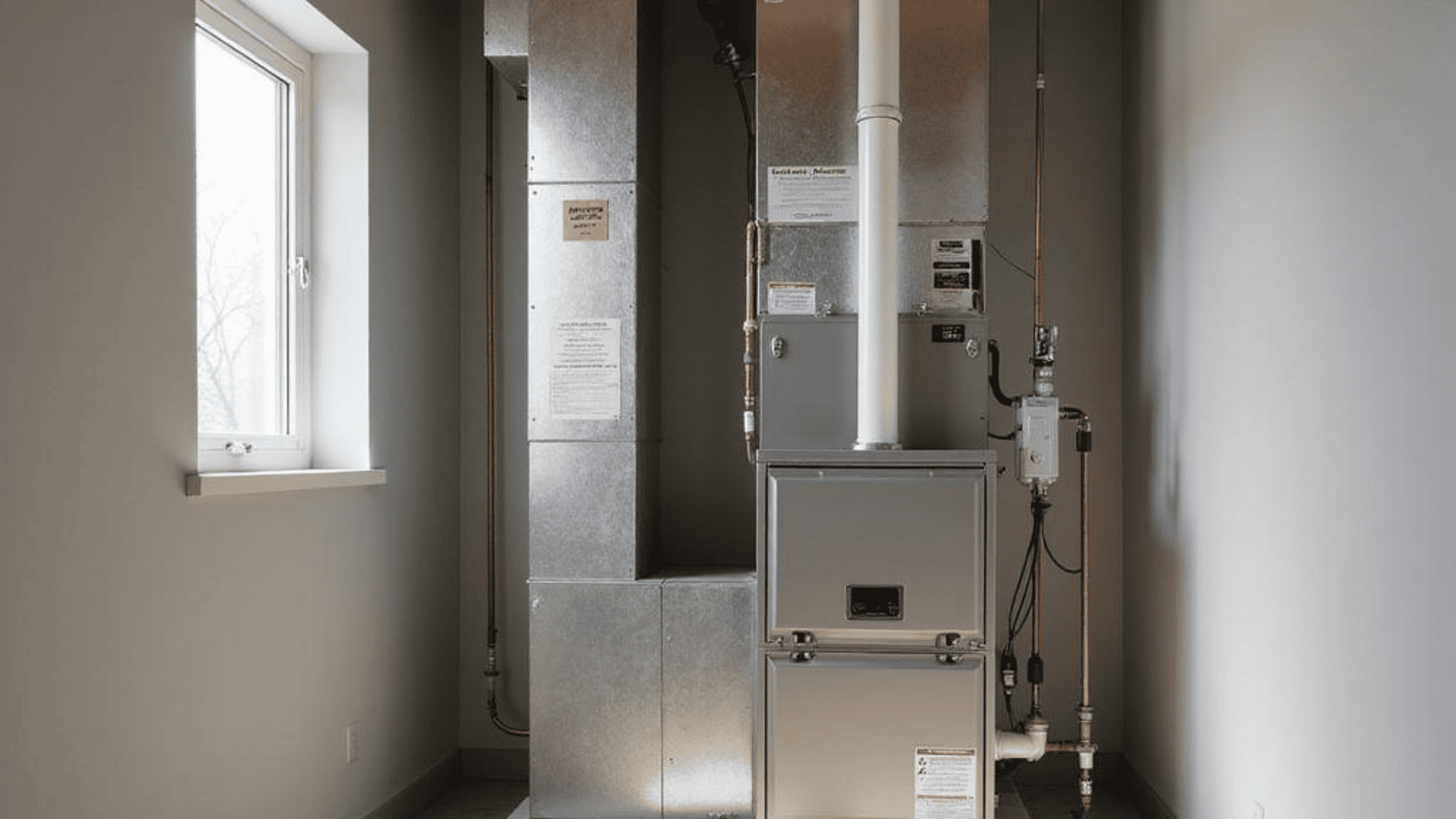
Furnace Installation & Replacement
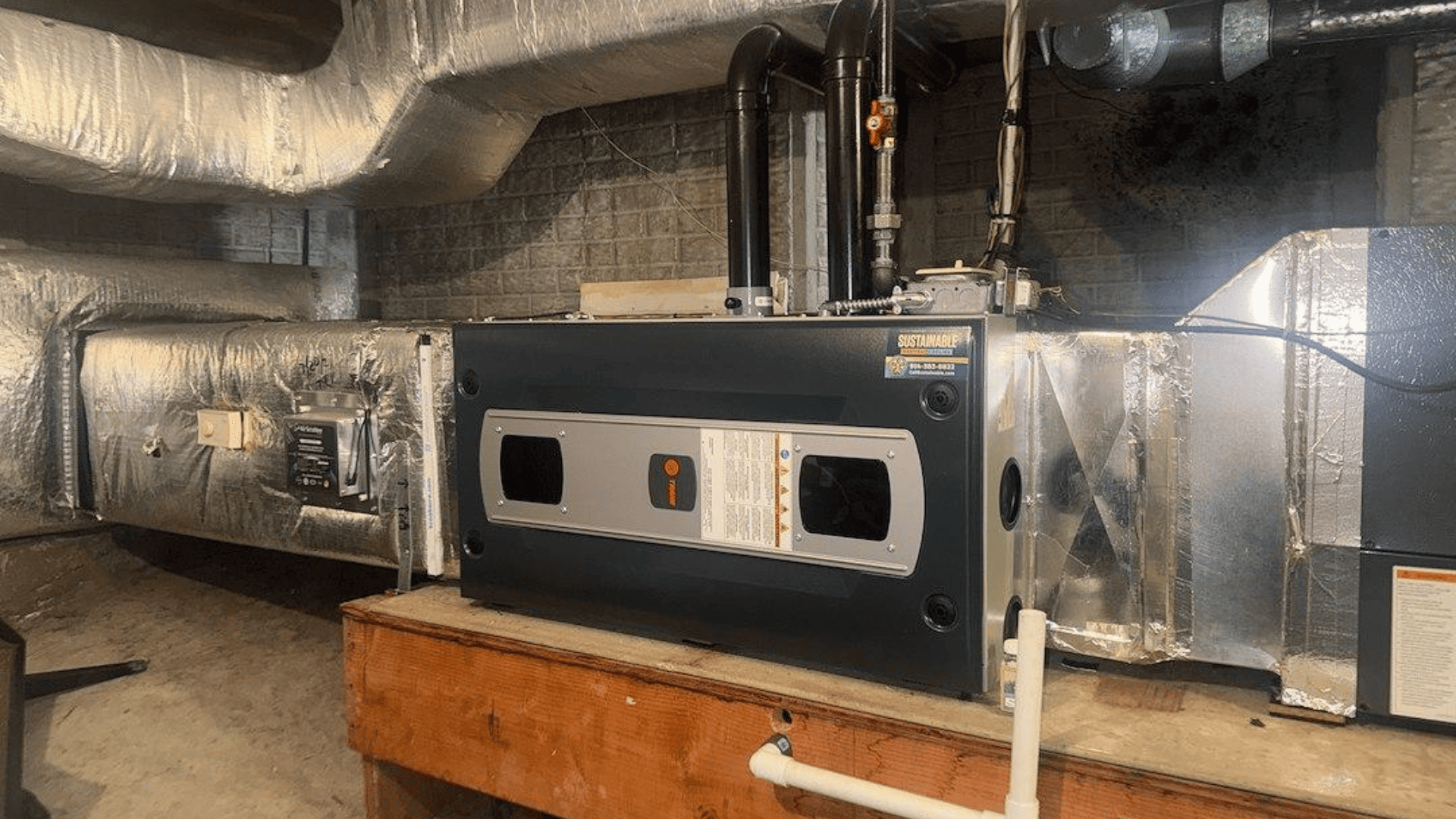
When your furnace reaches the end of its life, replacing it at the right time saves you money and keeps your home safe. We install high-efficiency furnaces from trusted brands and make sure the system is sized correctly for your home. A bad install causes problems for years — we do it right the first time. Whether you are upgrading an older unit or replacing one that has failed, we handle the whole job.
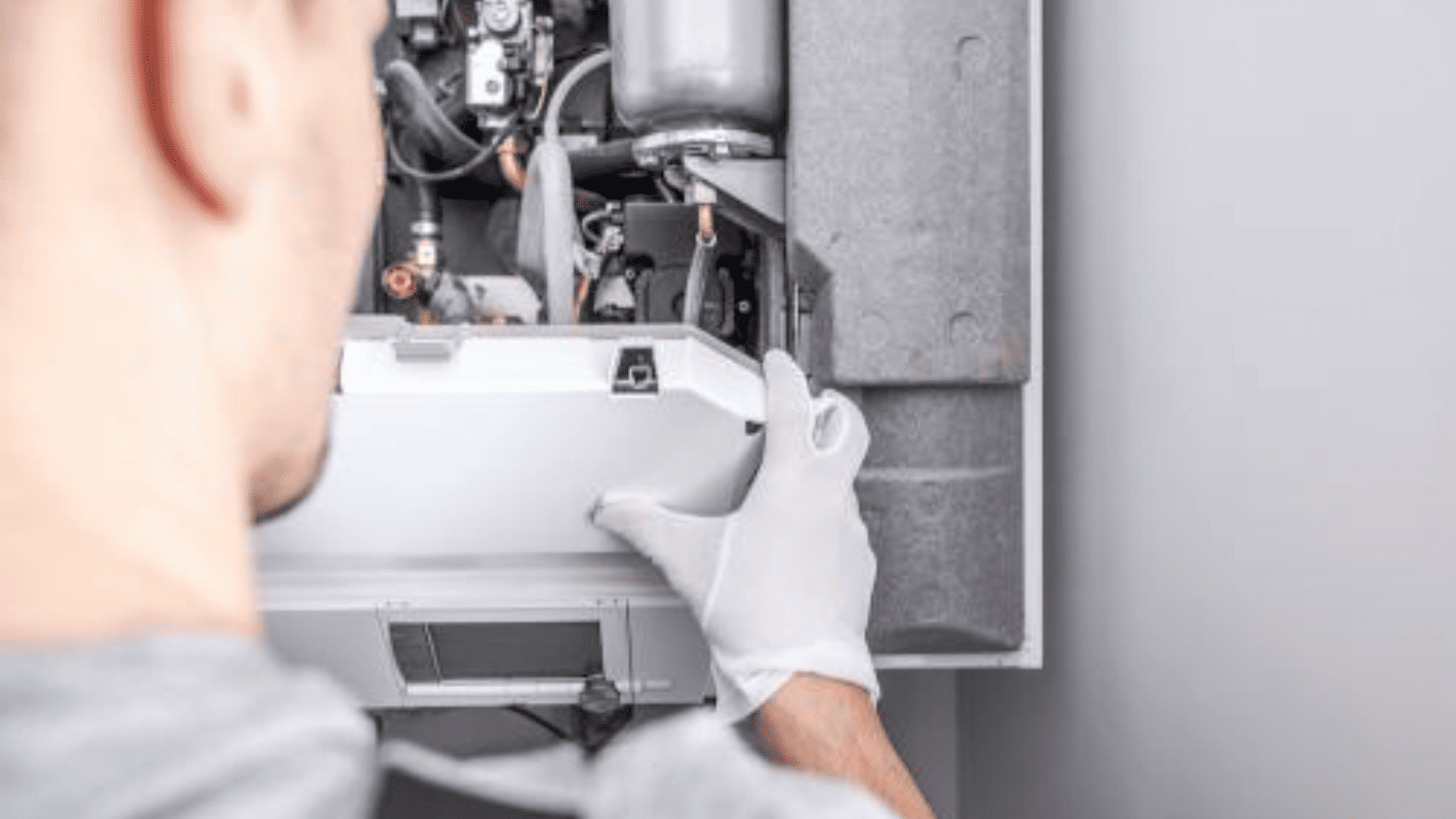
Furnace Repair
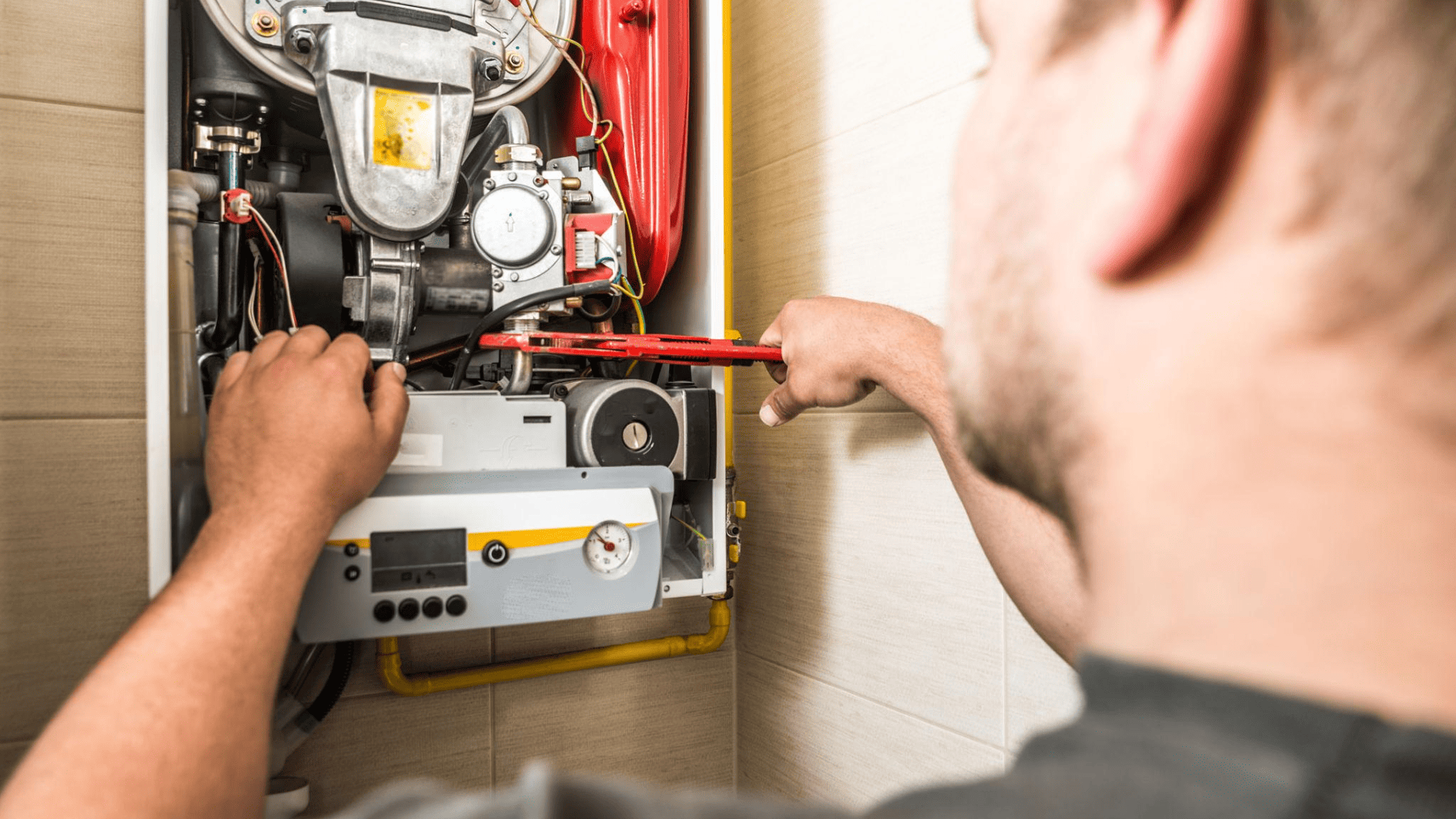
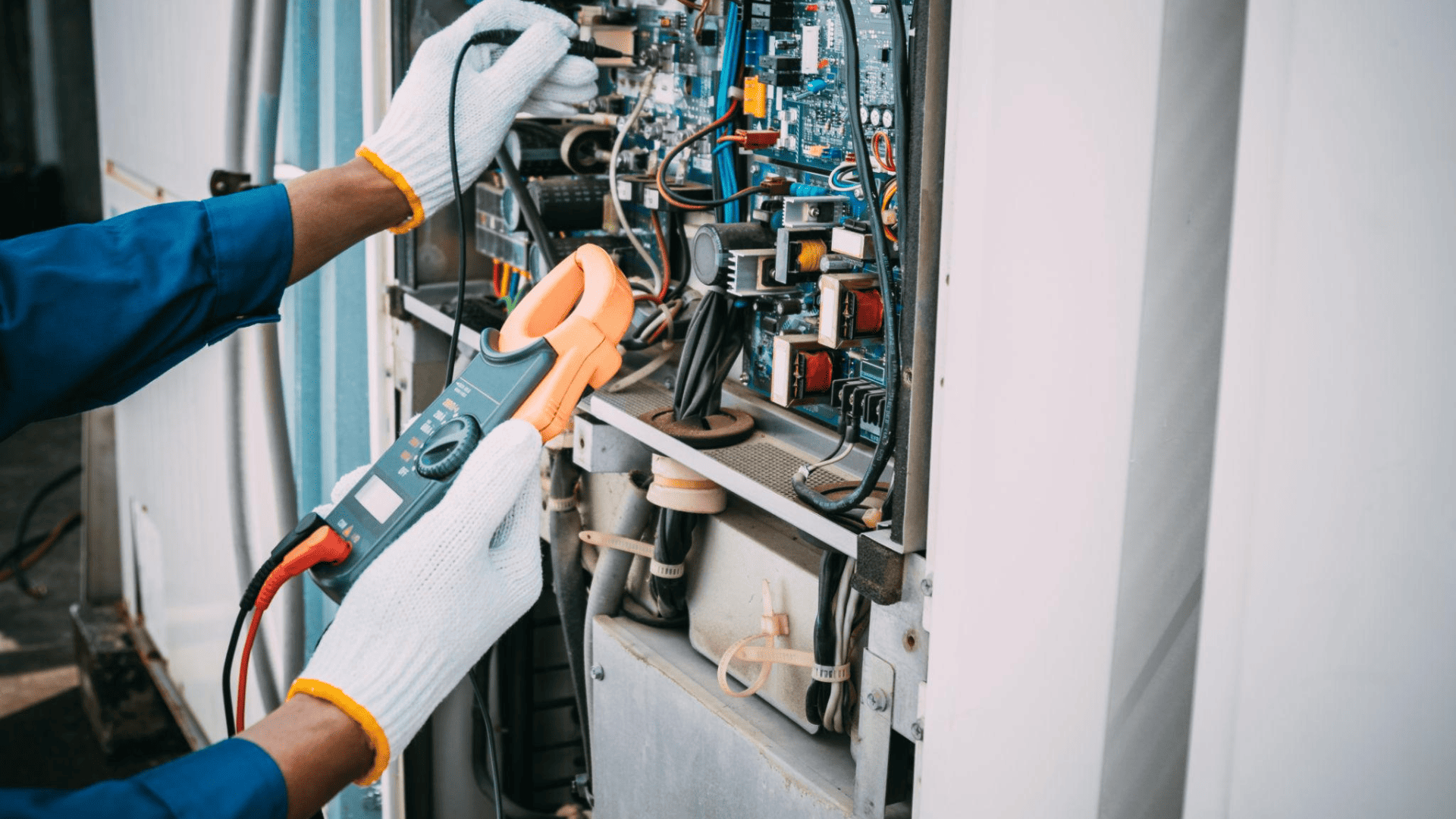
A furnace that stops working in the middle of a Massachusetts winter is not something you can wait on. We diagnose the problem fast and give you a straight answer on what it will take to fix it. Most repairs are handled the same day. We work on all makes and models, so you do not need to worry about whether we can service yours.
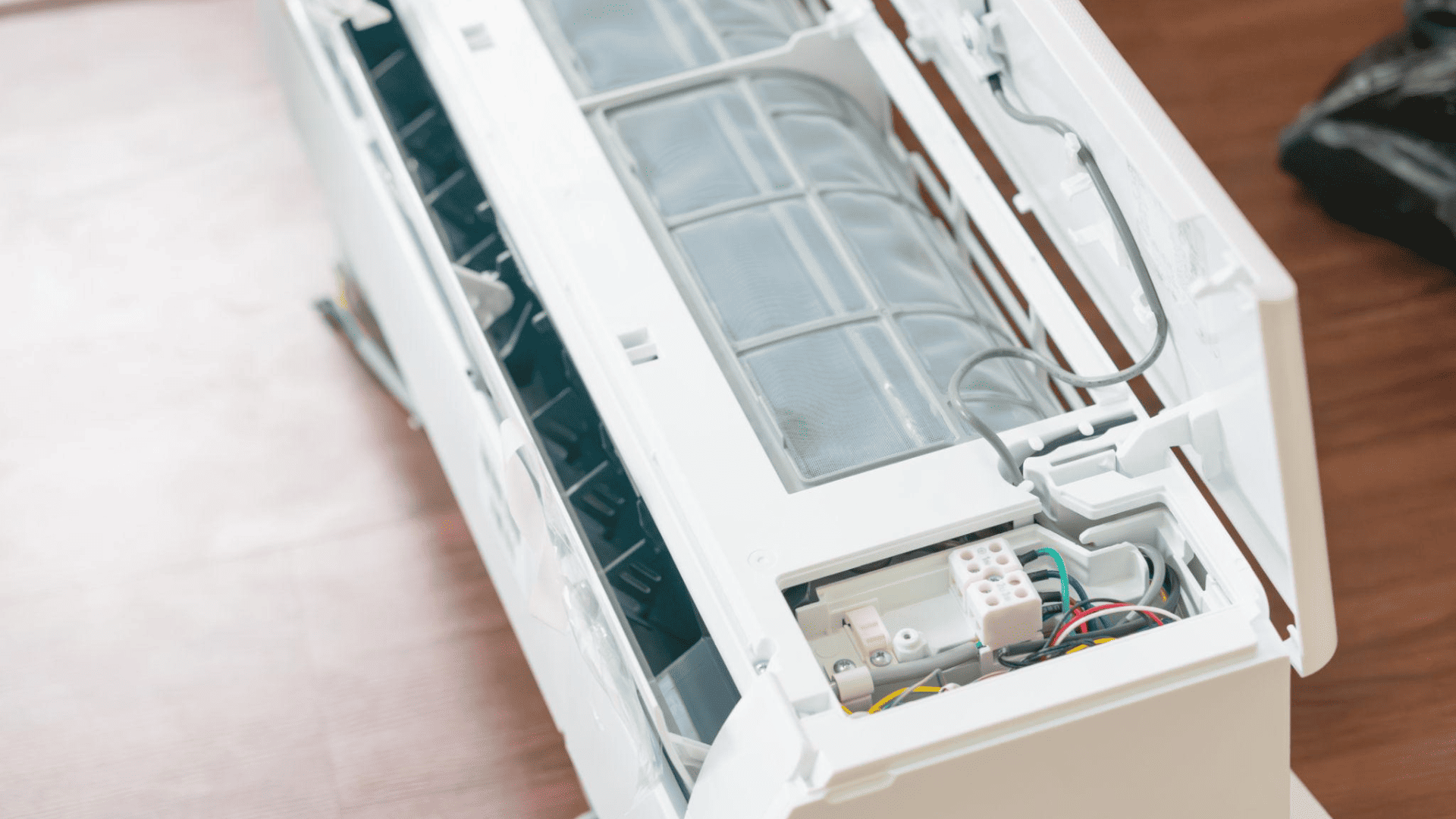
Air Conditioning Installation & Replacement
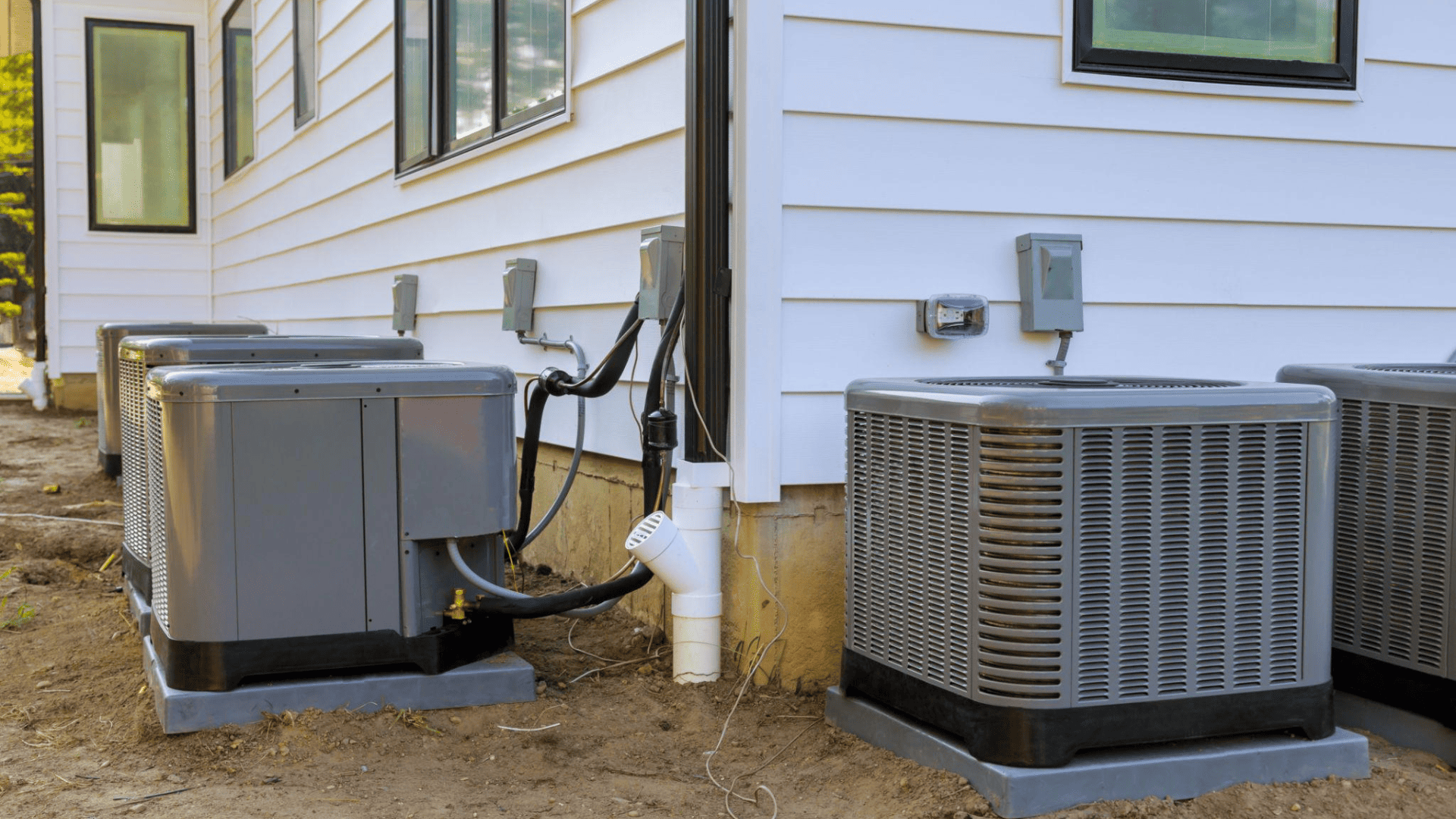
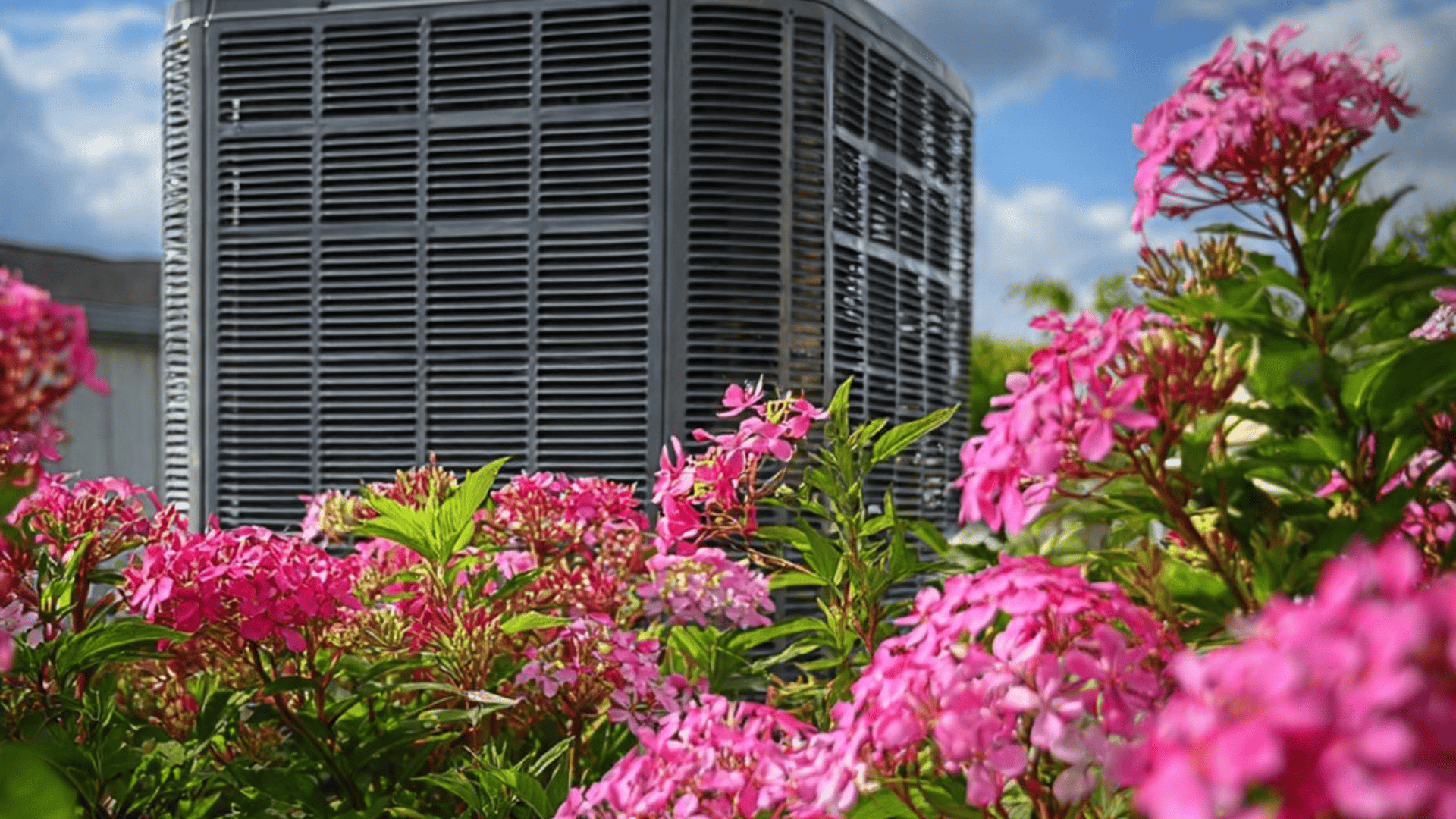
Summers in central Massachusetts get humid and hot, and a properly installed AC system makes a real difference. We size the equipment to your home so it cools efficiently without running up your electric bill. If your old system is outdated or undersized, we walk you through your options before any work begins. The goal is a system that performs well for years, not just the first season.
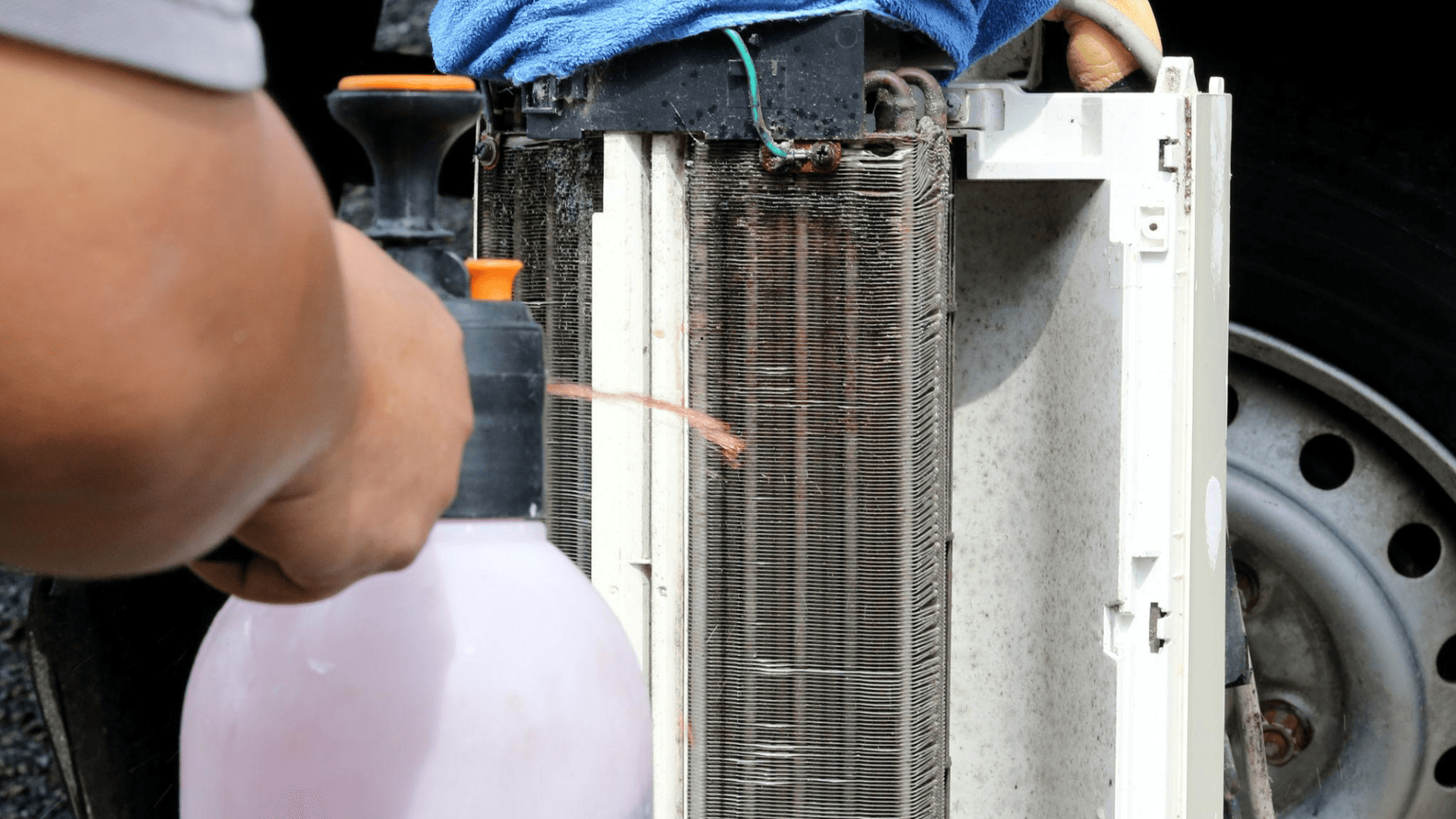
Air Conditioning Repair
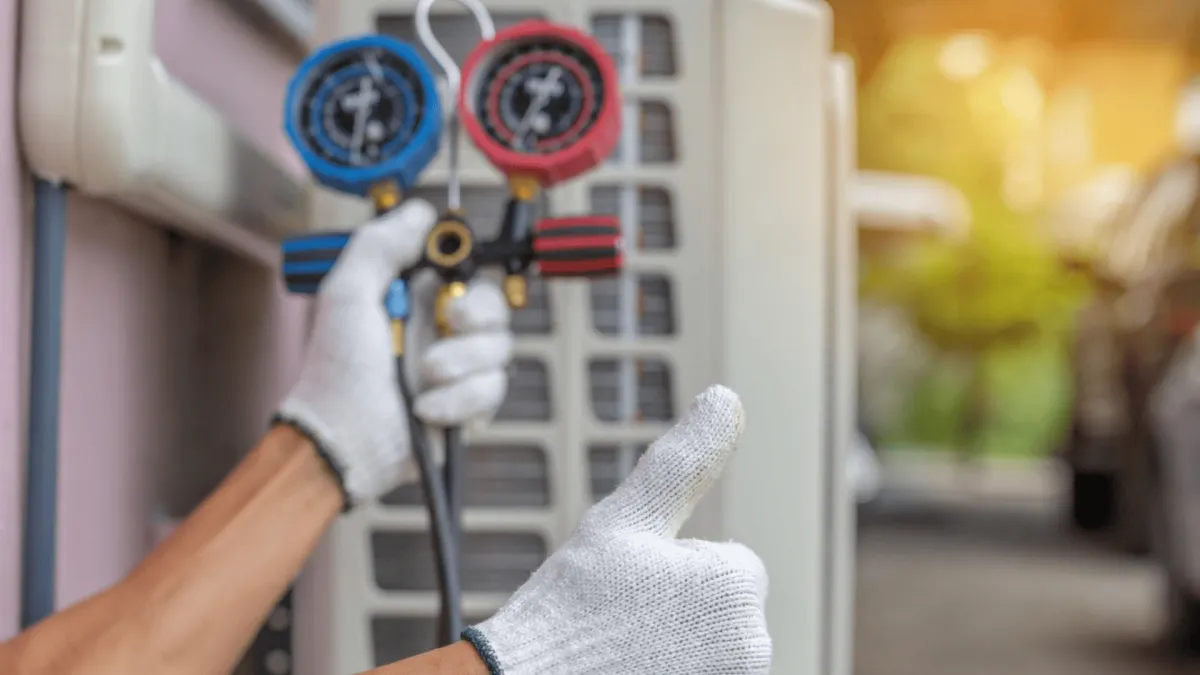
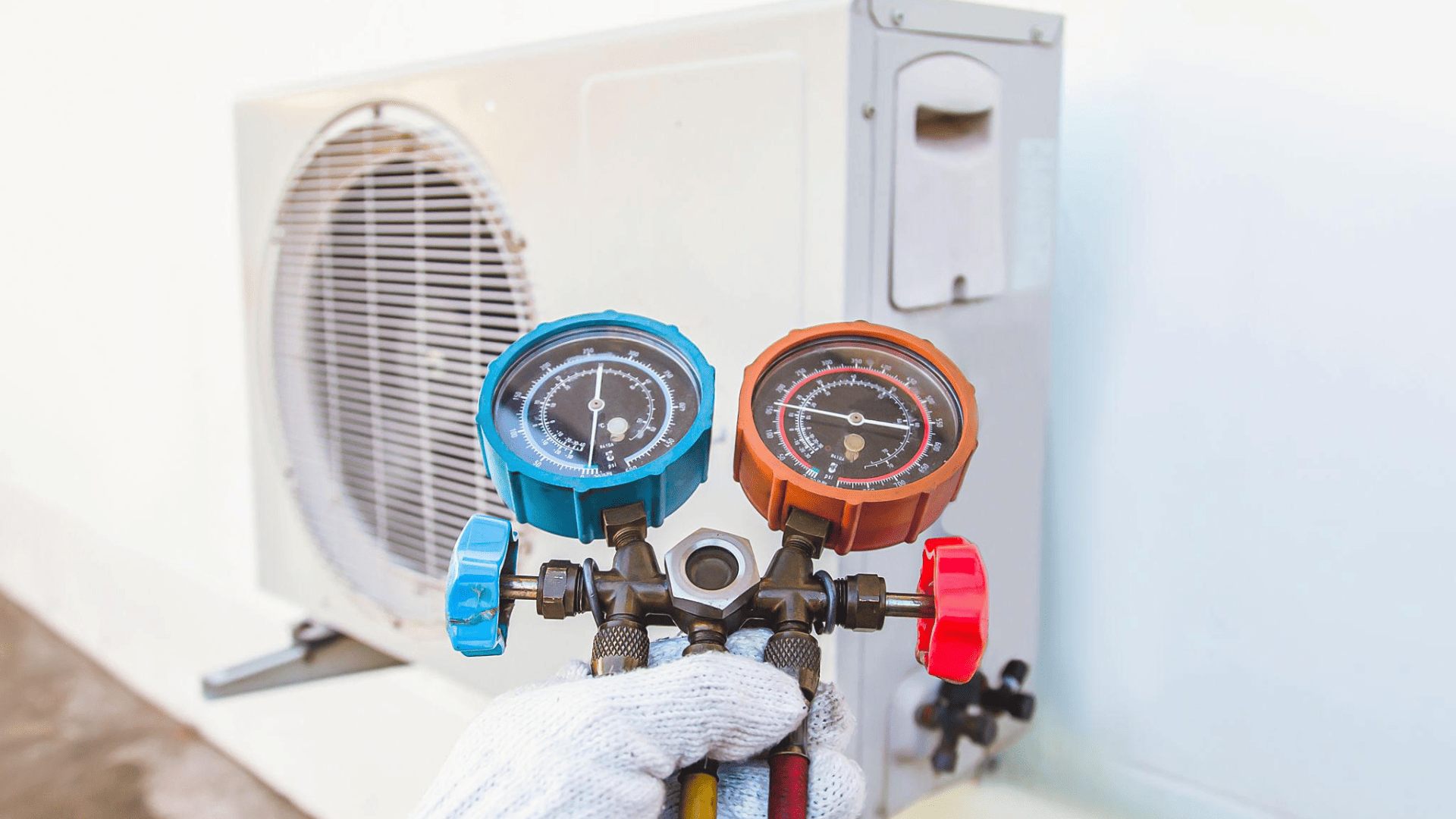
When your AC stops cooling, we get to the root of the problem instead of guessing. Low refrigerant, failed capacitors, frozen coils — we have seen it all and know how to fix it. You get a clear explanation of what is wrong and what the repair will cost before we start. We do not recommend replacing a system unless it genuinely needs it.
Heat Pump Installation & Repair
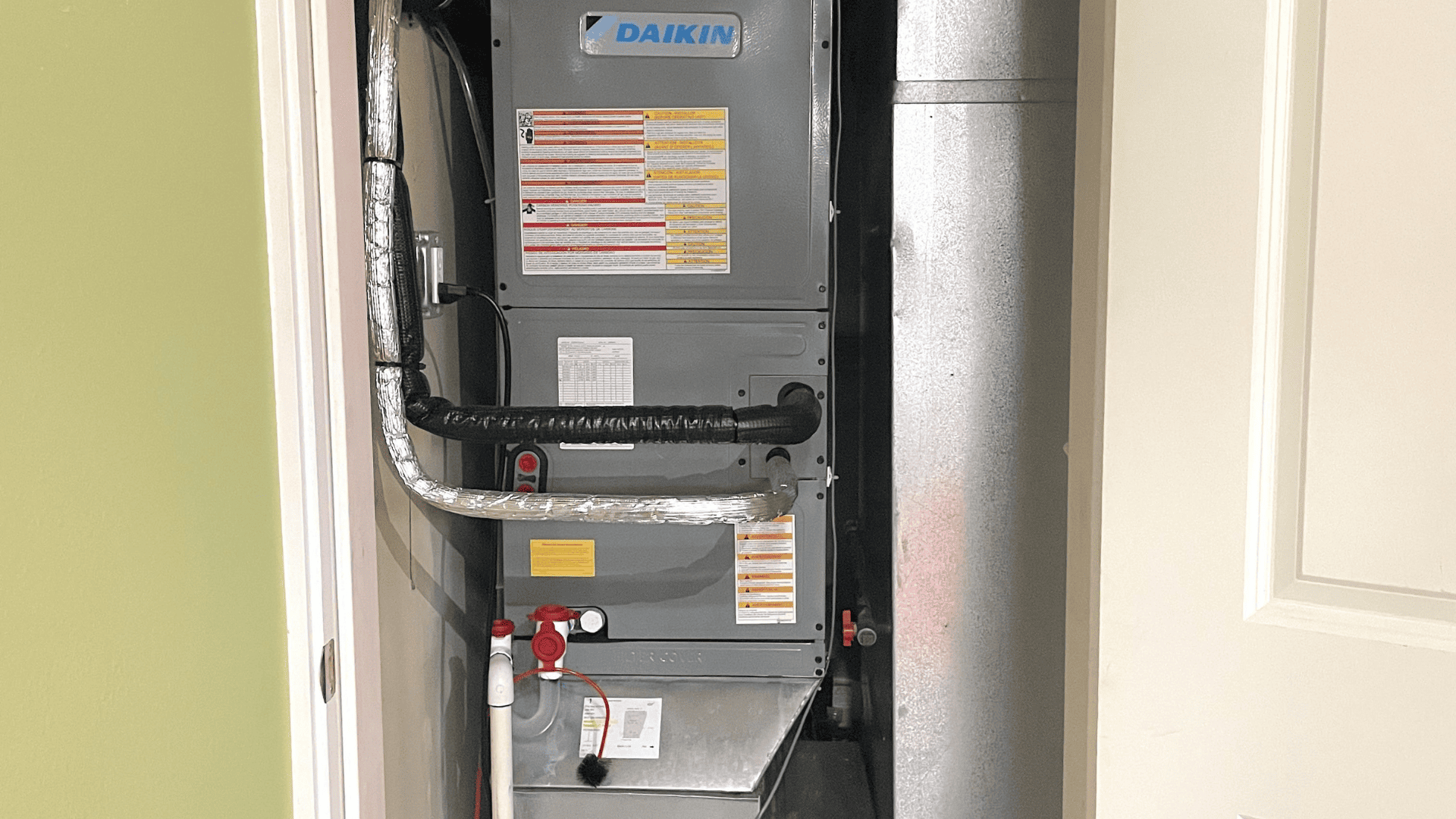
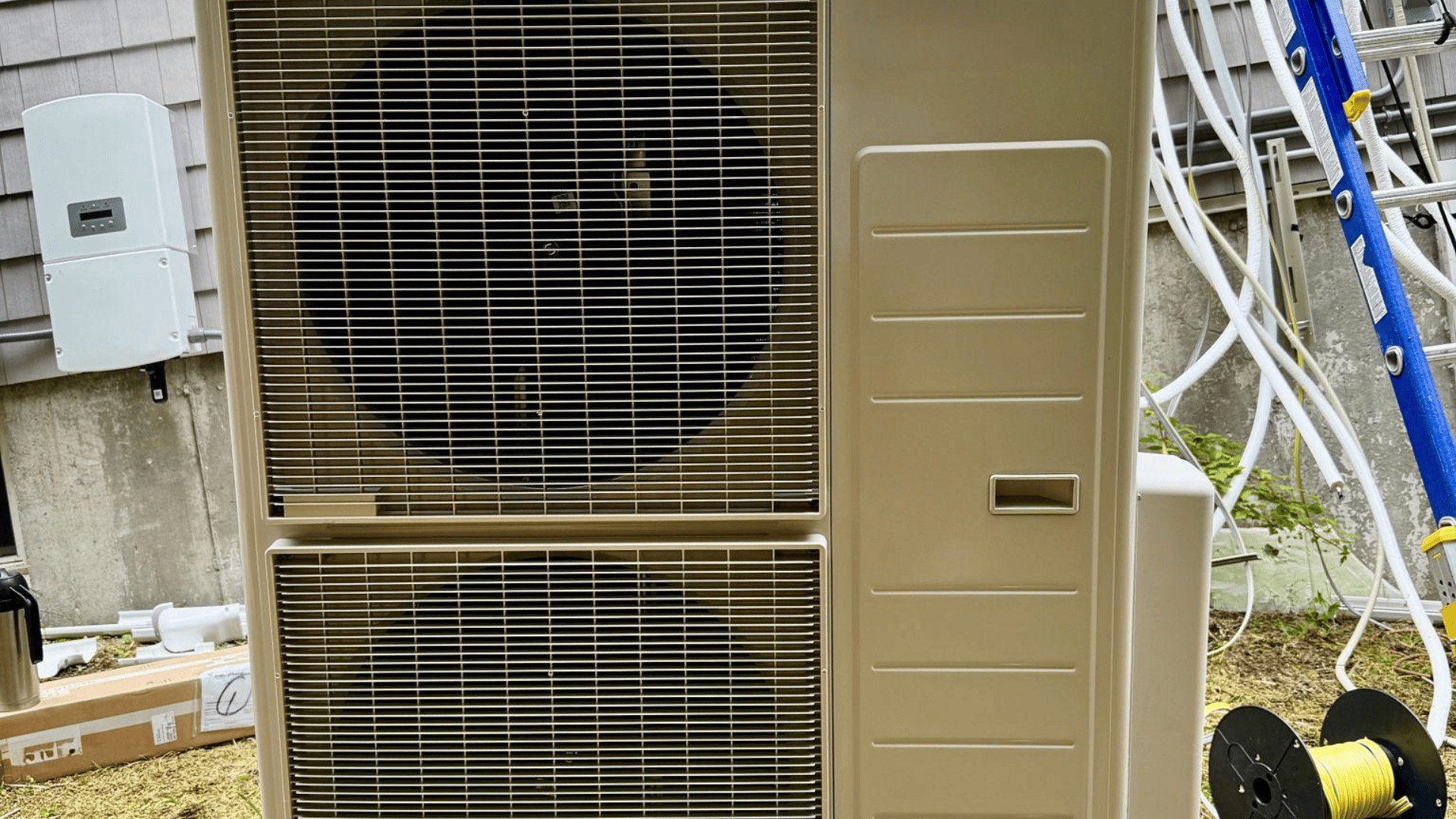
Heat pumps are one of the most efficient ways to heat and cool a home, and we install and service them regularly. They work year-round, which means the installation has to be done correctly for both heating and cooling seasons. If your existing heat pump is not performing the way it should, we diagnose and repair it quickly. We work on both ducted and ductless heat pump systems.
Boiler Installation & Repair
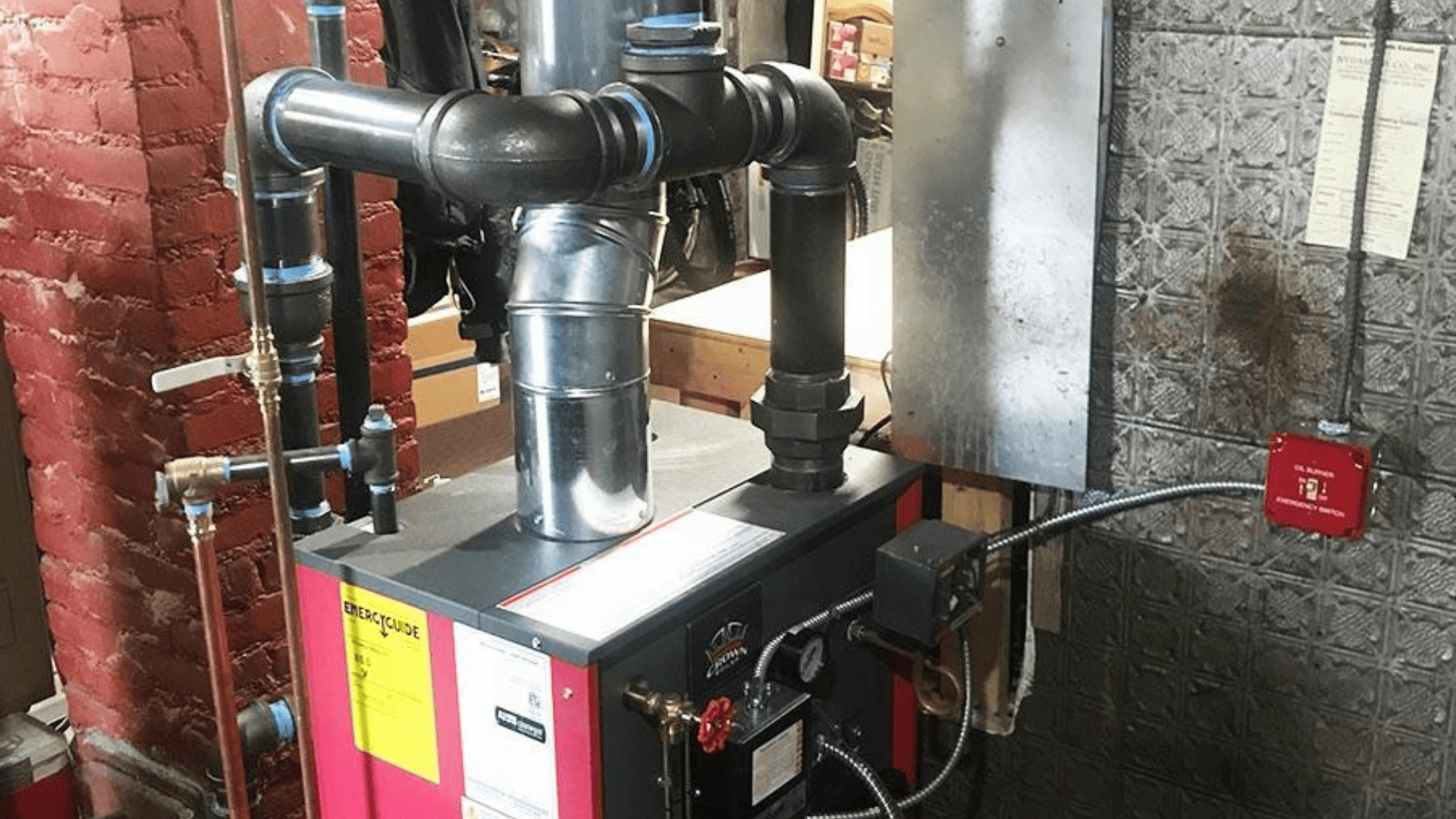
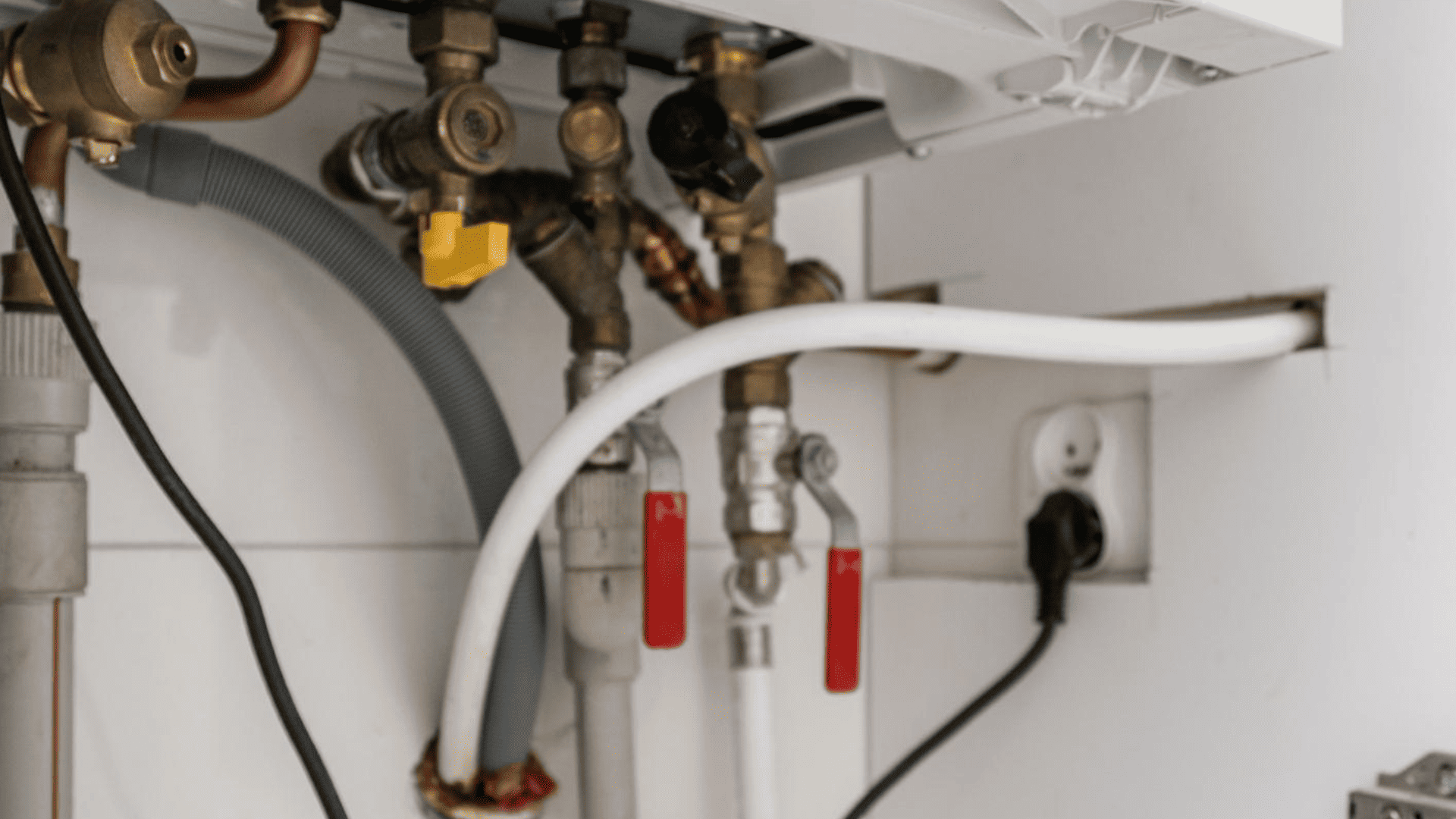
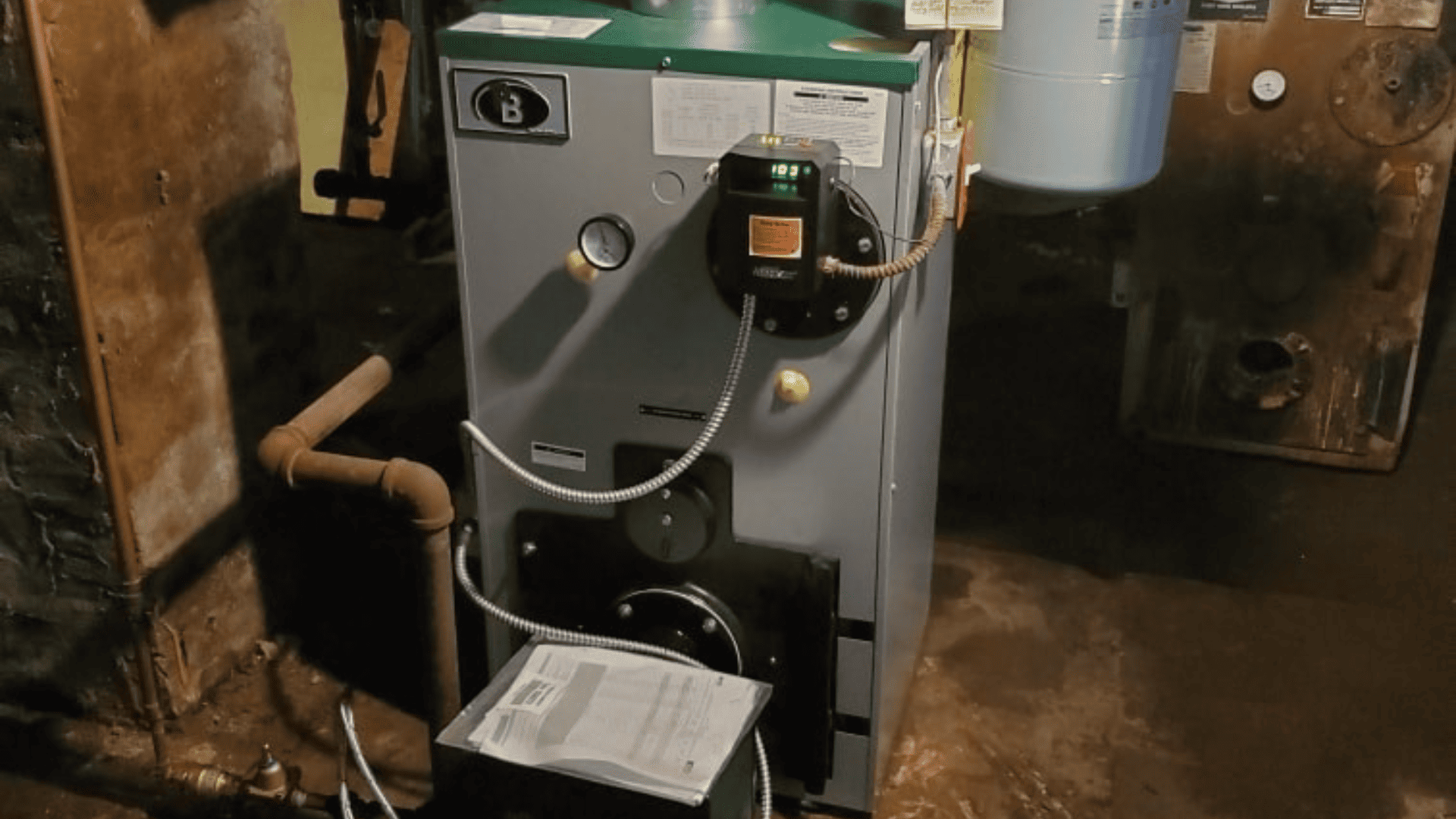
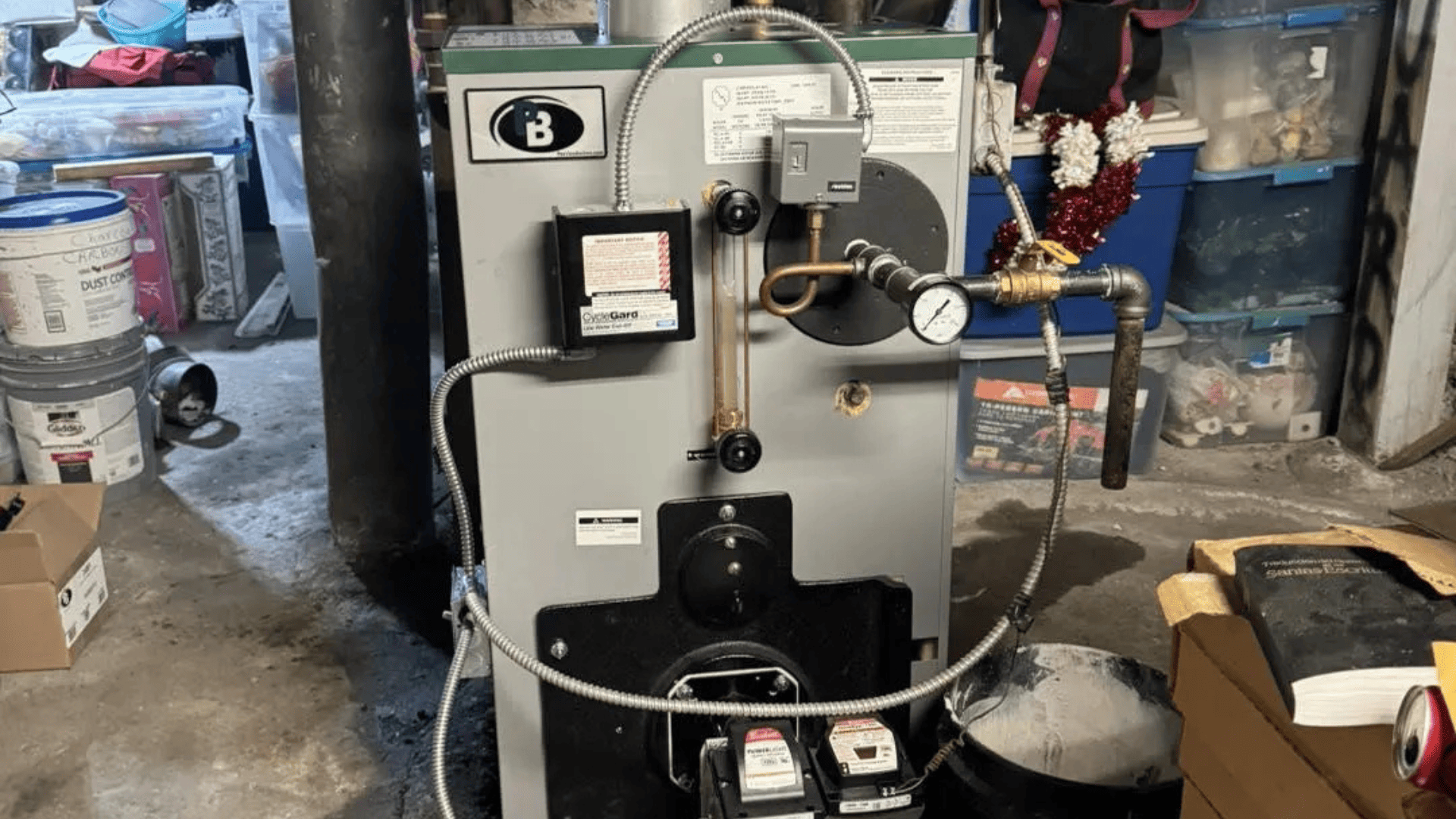
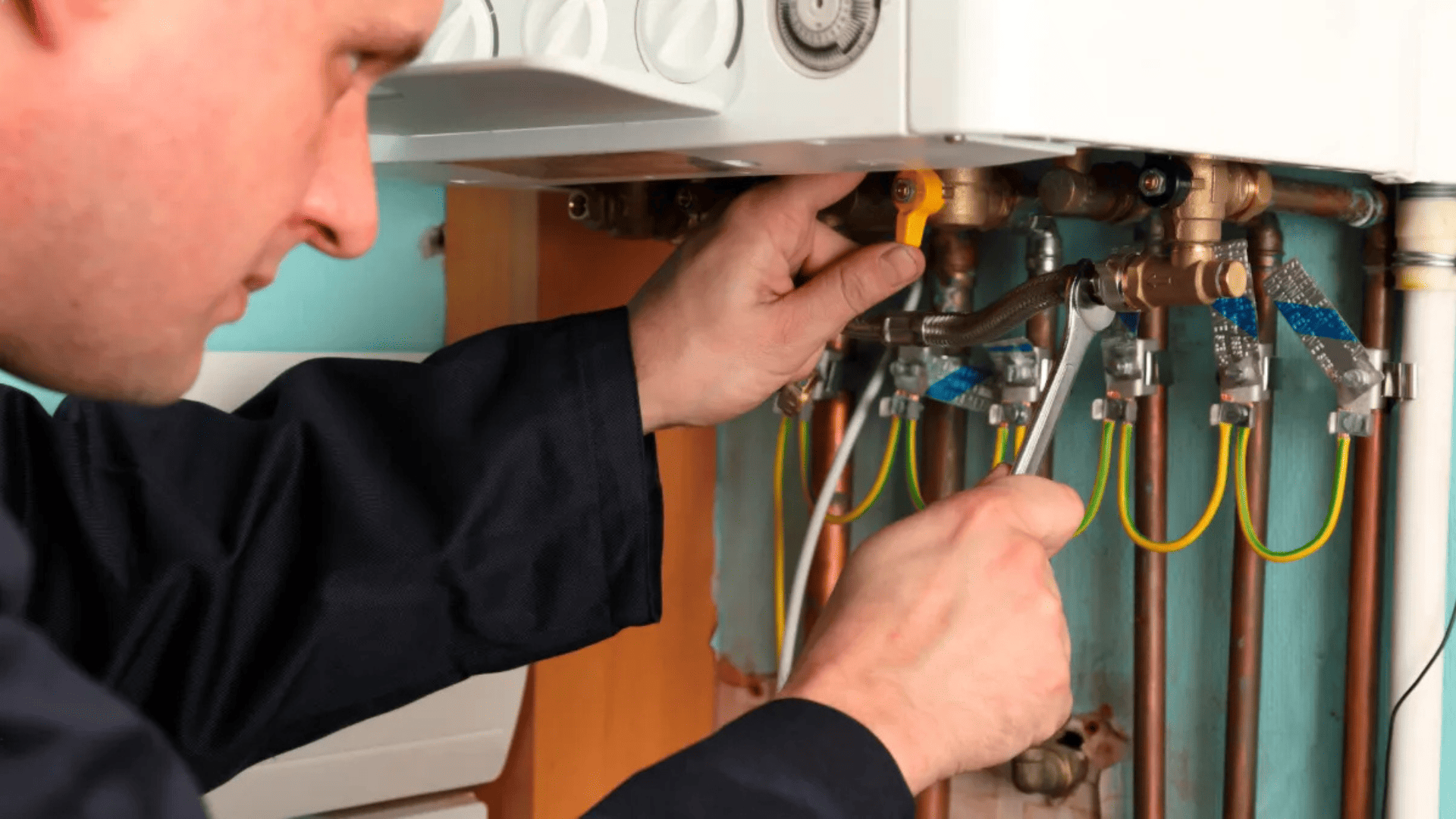
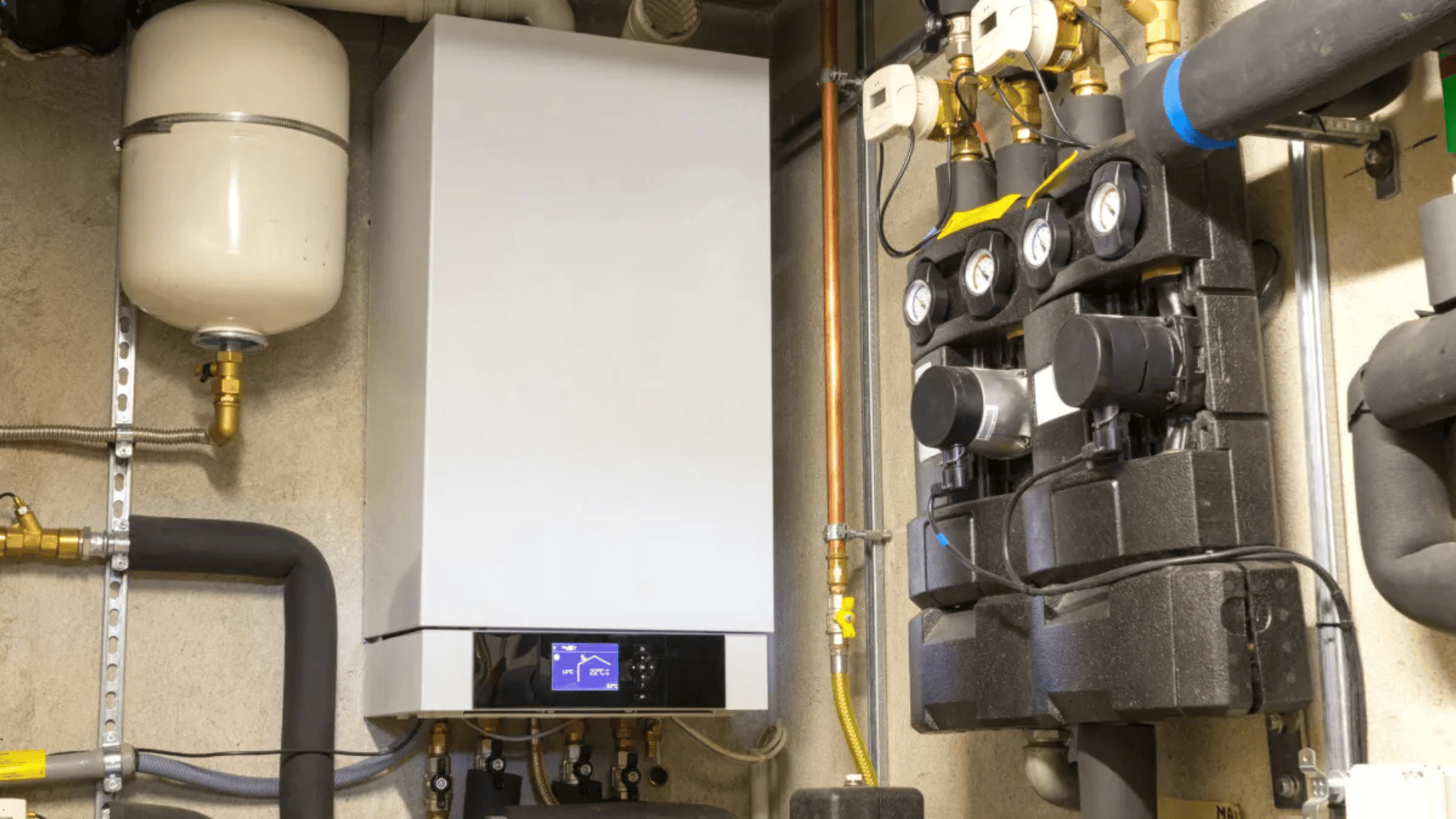
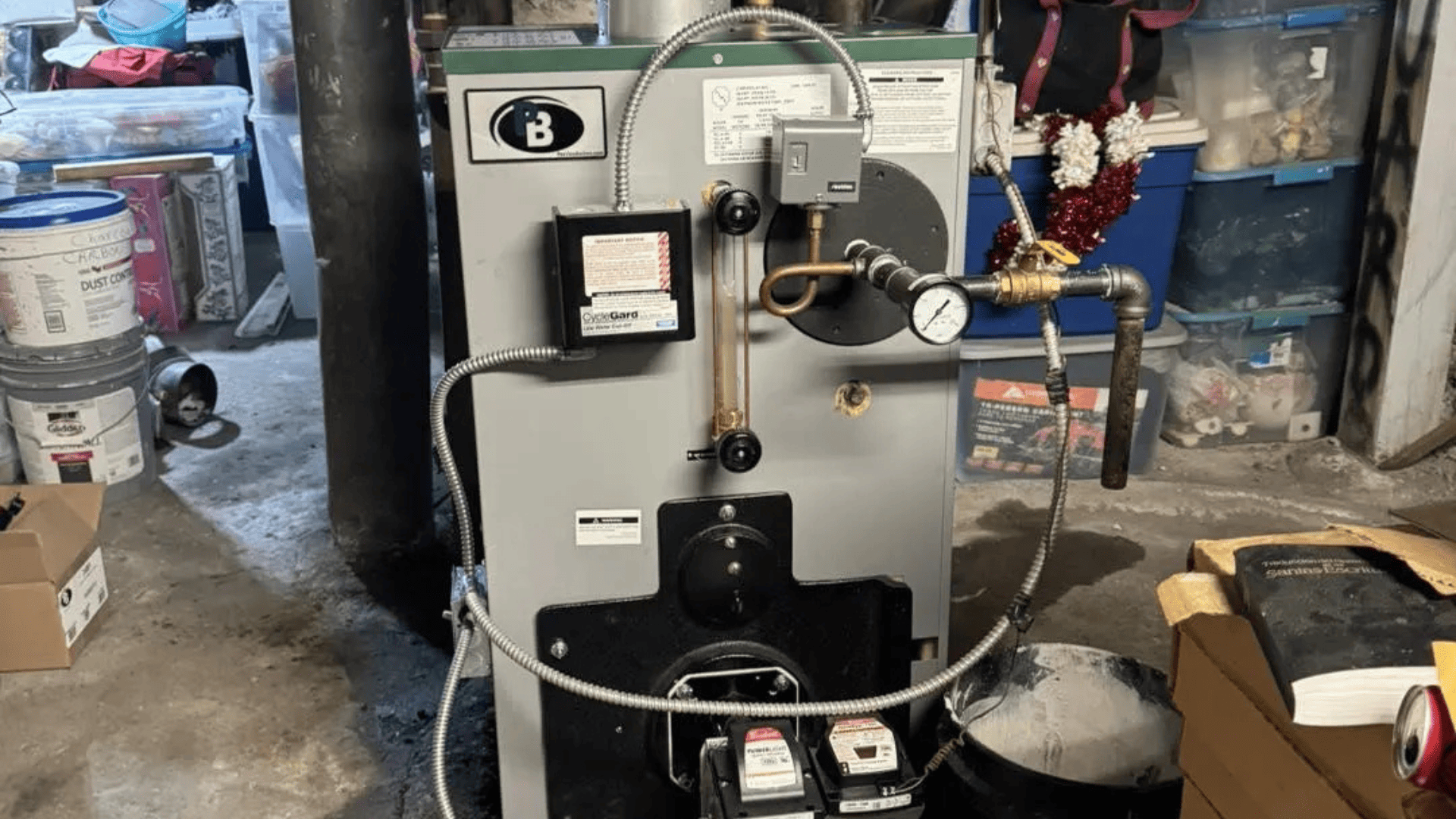
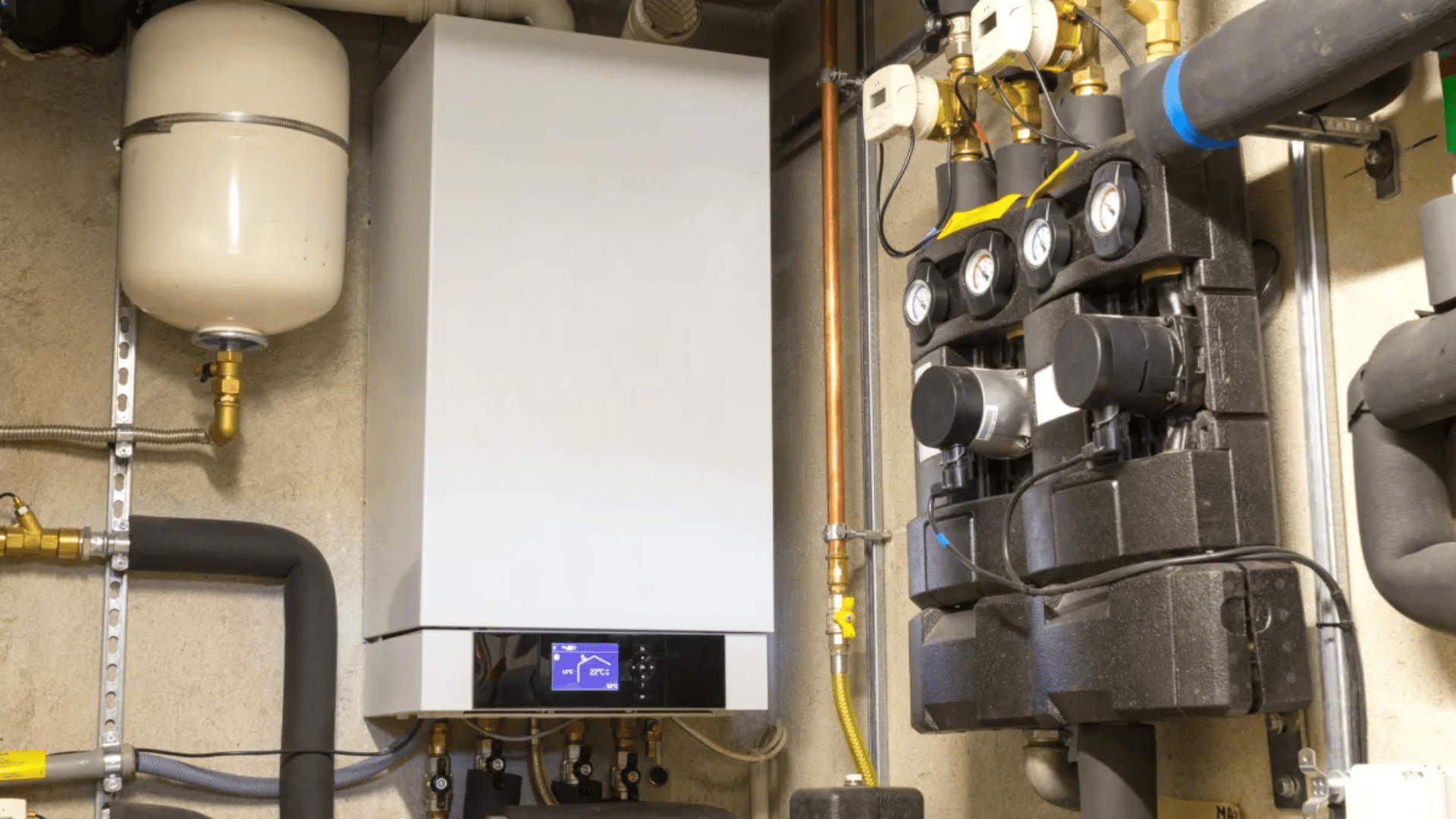
Boilers are common in older New England homes and require a technician who actually knows them well. We install new boiler systems and repair existing ones, from simple fixes to full replacements. Whether you have a gas, oil, or propane boiler, we service it. Consistent heat through your radiators or baseboard starts with a boiler that is running the way it should.
Ductless Mini-Split Installation & Service
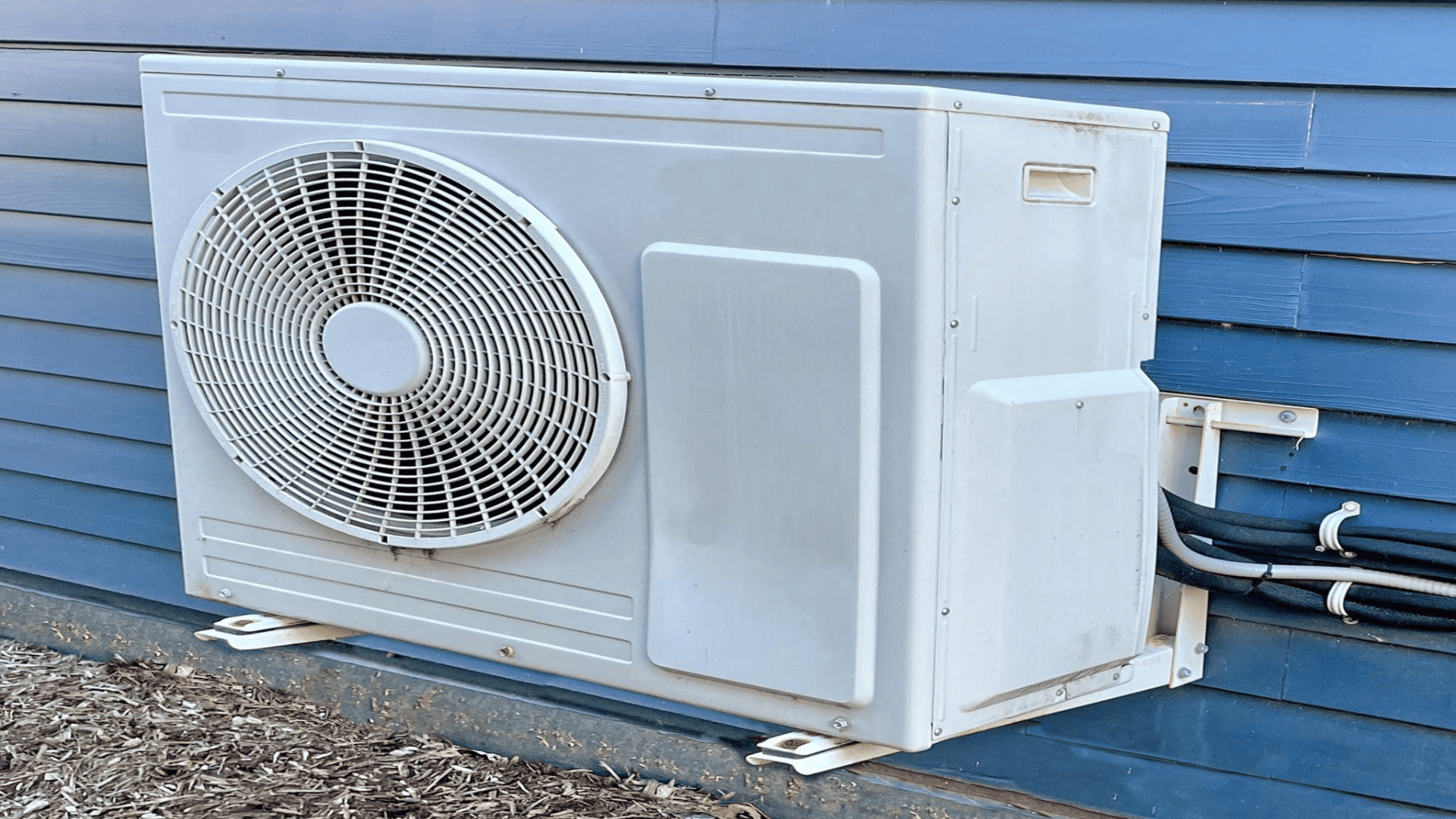
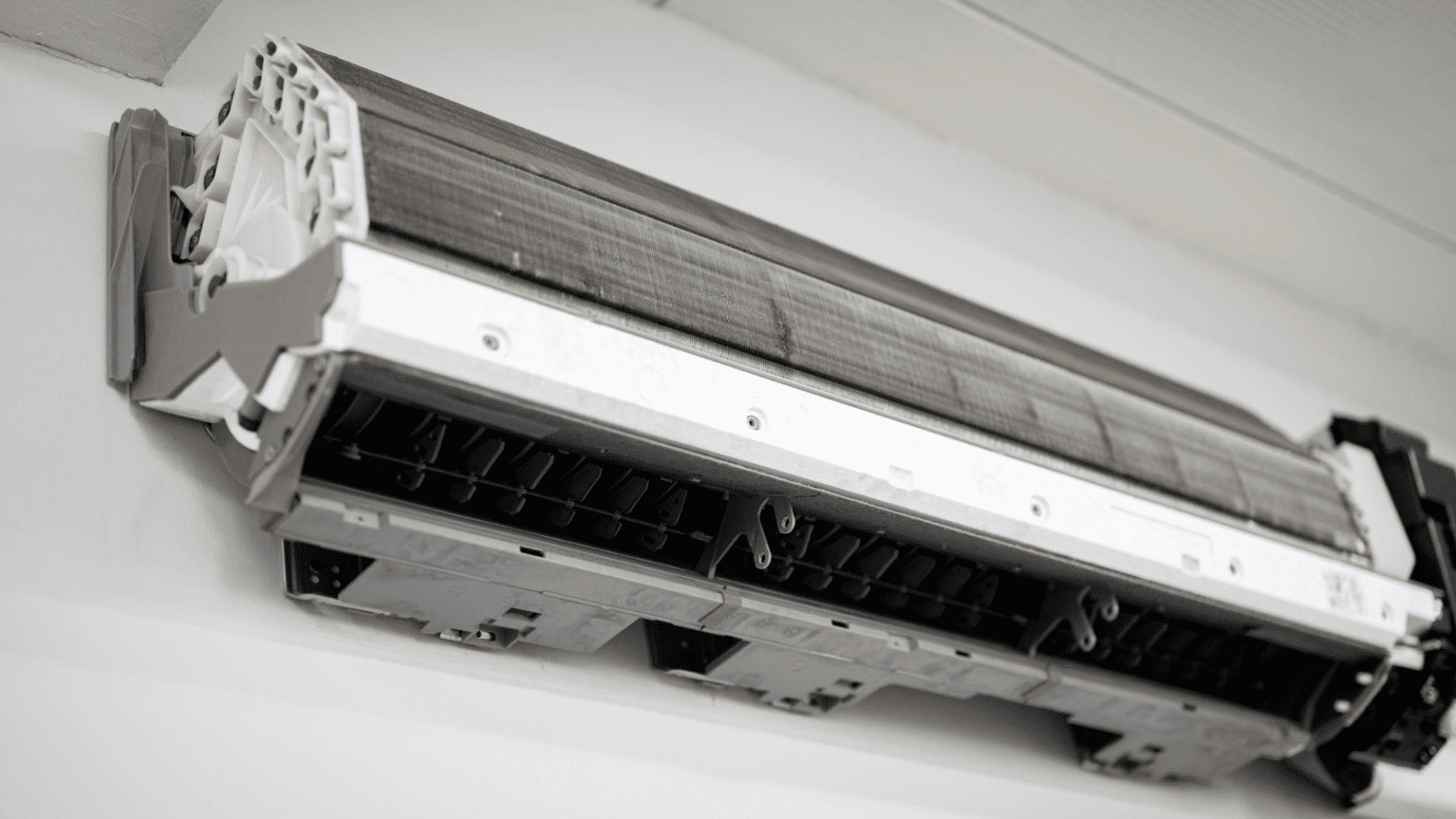
Mini-splits are a great solution for additions, older homes without ductwork, or rooms that never seem to get comfortable. We install single-zone and multi-zone systems and handle the full job from start to finish. If you already have a mini-split that is underperforming or making noise, we service those too. It is one of the most flexible and efficient options available for home comfort.
HVAC Maintenance & Seasonal Tune-Ups
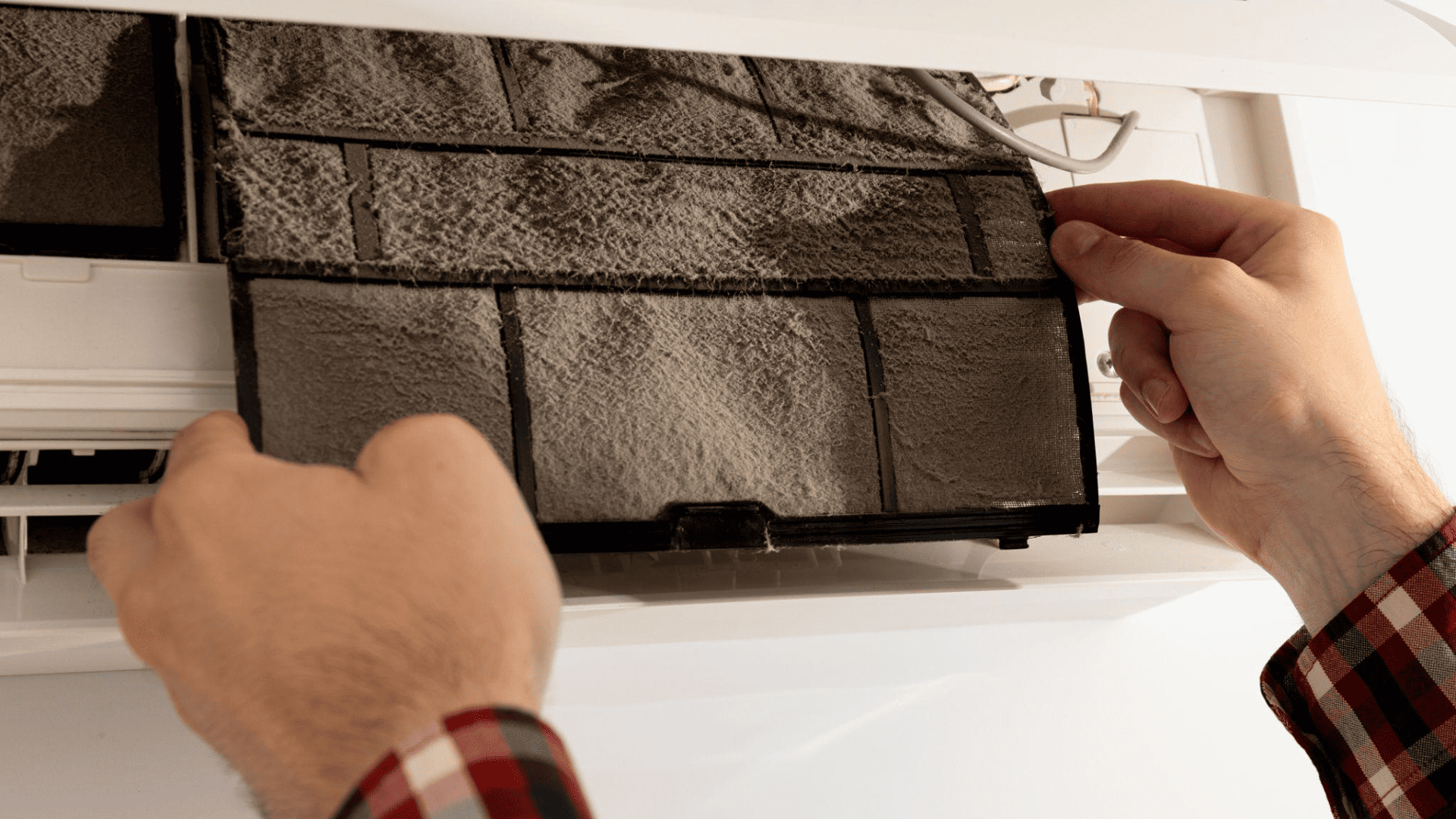
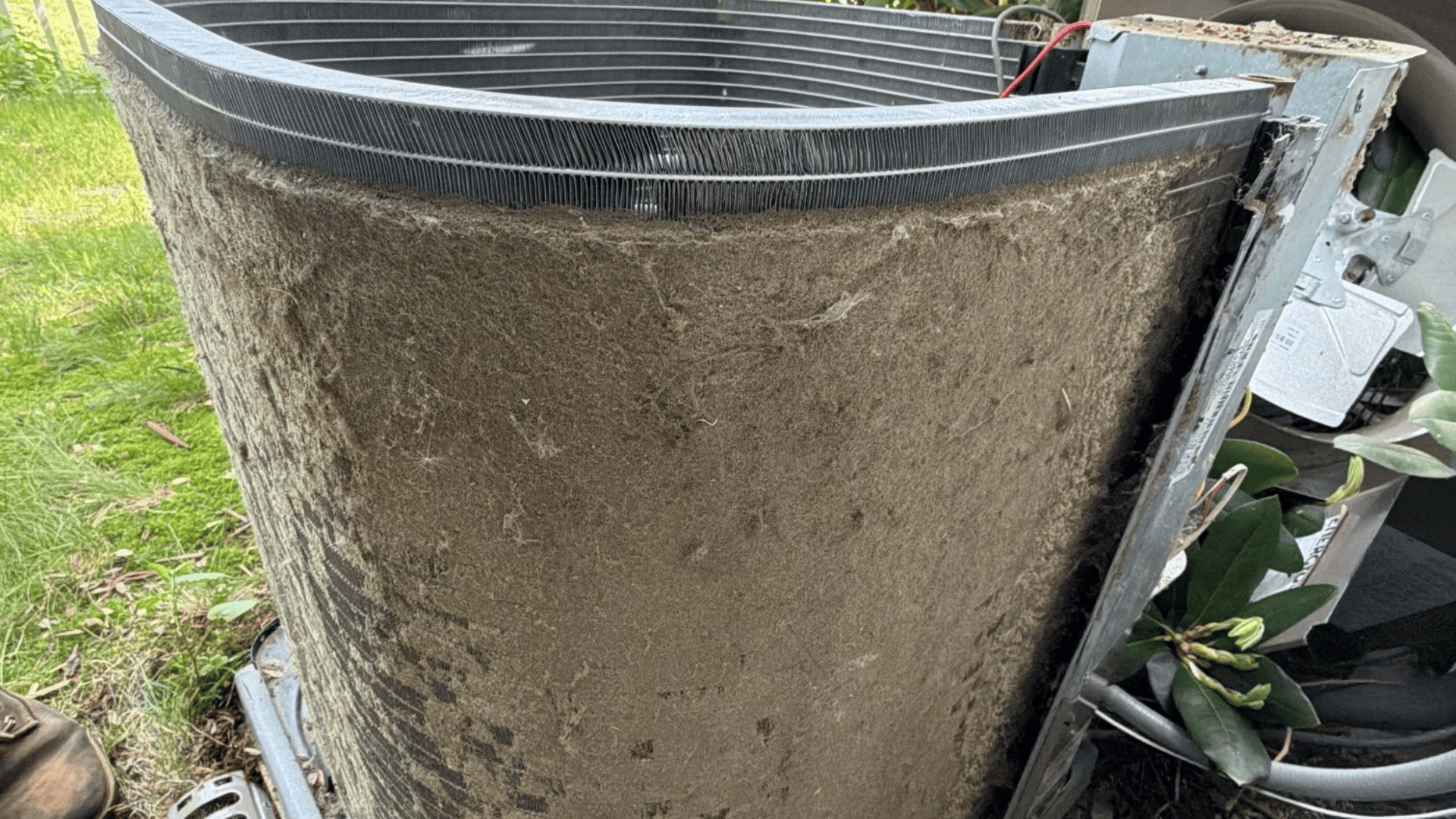
Most HVAC problems do not come out of nowhere — they build up over time when systems are not maintained. A seasonal tune-up catches small issues before they turn into expensive repairs. We clean, inspect, and test your equipment so it runs efficiently through peak heating and cooling season. Staying on top of maintenance also extends the life of your system.
Emergency HVAC Service
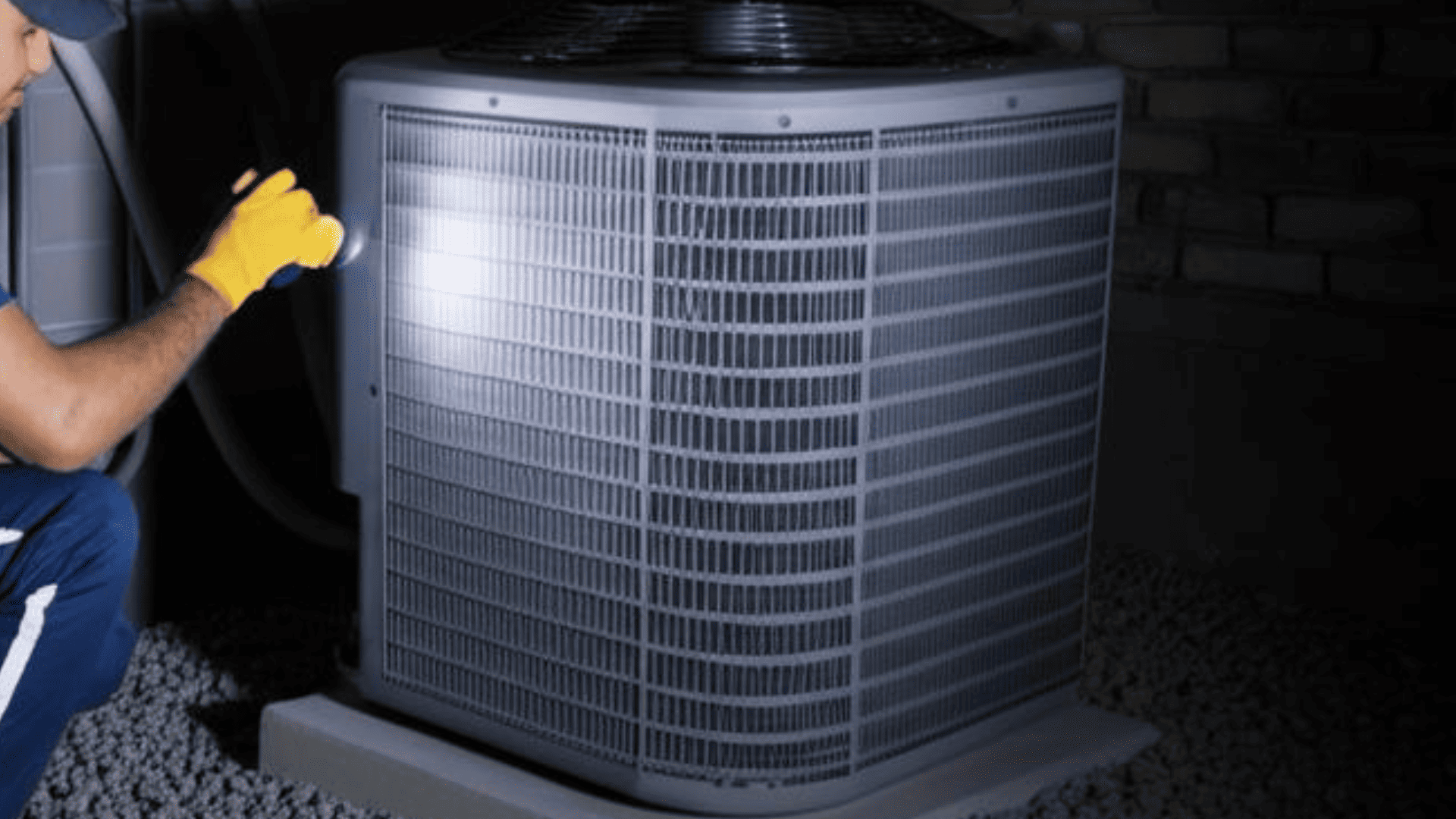
We are available 24 hours a day, 7 days a week, including holidays. When your heat goes out at 2 AM in January or your AC fails during a heat wave, you need someone who actually answers. We respond fast and arrive prepared to get your system running again. Emergency calls are handled with the same care and quality as any scheduled appointment.
Indoor Air Quality & Ventilation
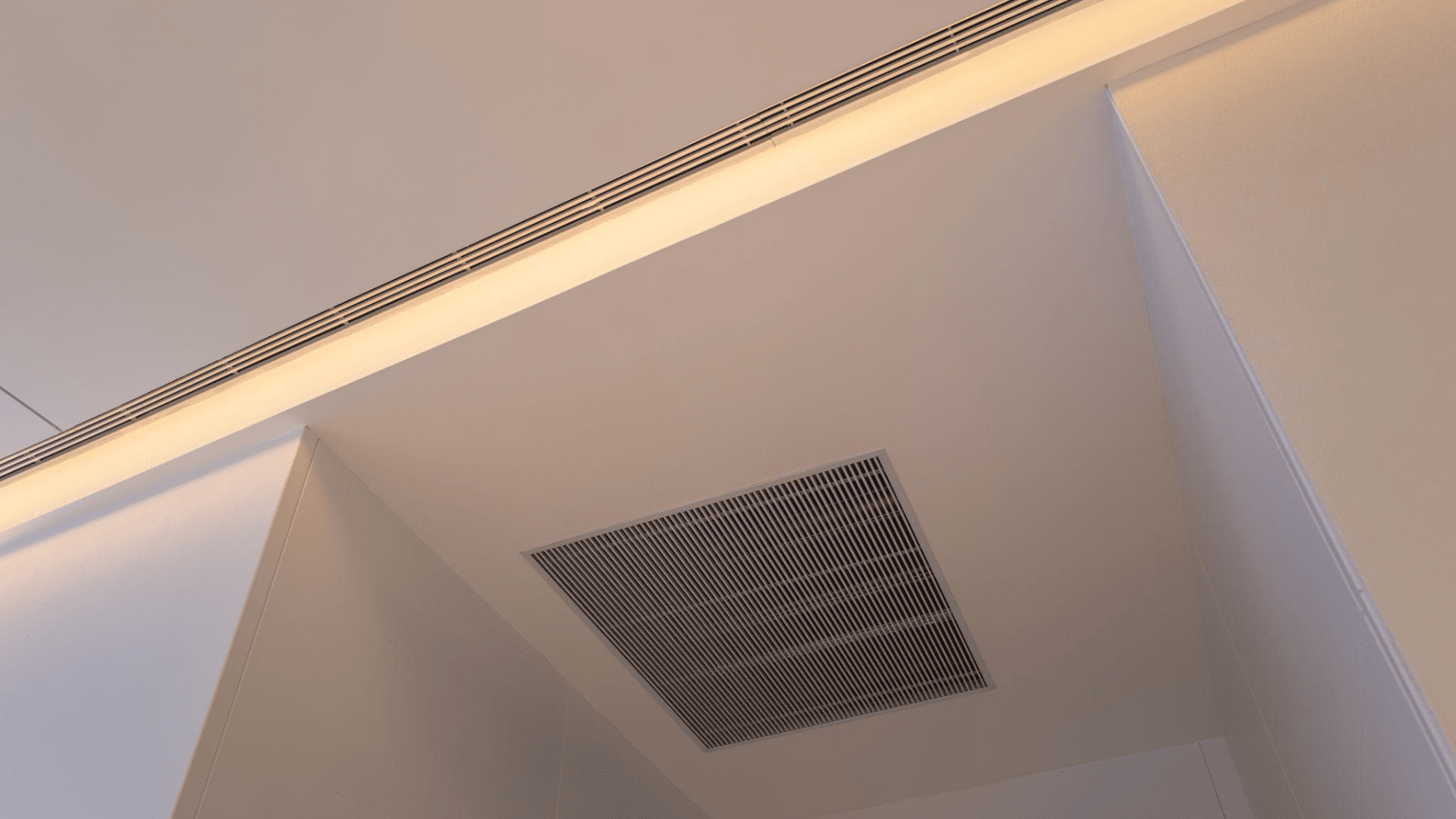
The air inside your home affects how comfortable and healthy your space feels every day. Poor ventilation, excess humidity, and airborne particles are all problems we can address. We assess your current setup and recommend solutions that fit your home and budget. Better air quality is one of those things people notice immediately after we improve it.

Thermostat Installation & Smart Thermostat Upgrades
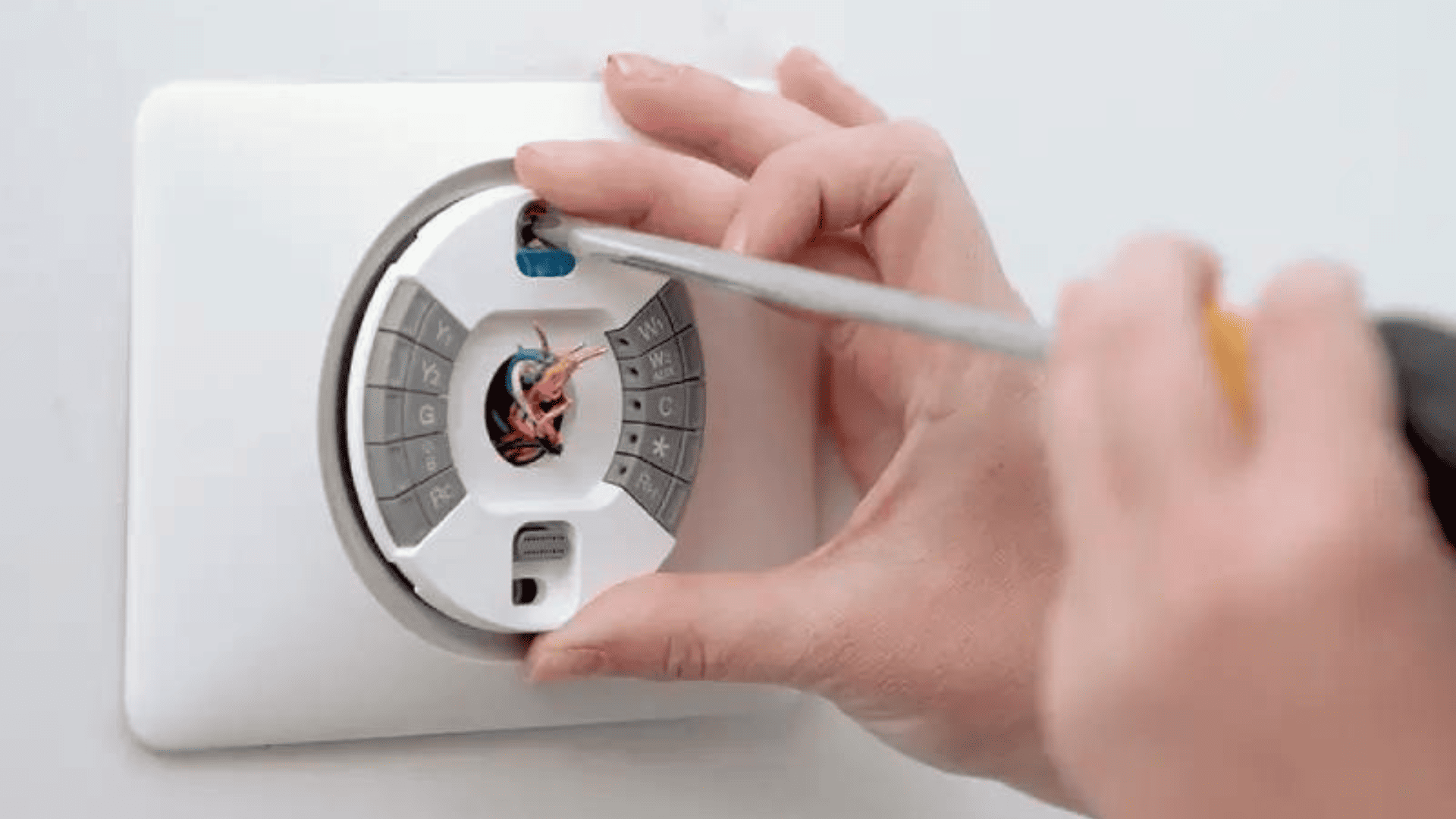
Your thermostat controls how your entire HVAC system behaves, and an outdated one wastes energy and causes inconsistent temperatures. We install programmable and smart thermostats that give you better control and lower utility bills. If you have already purchased a smart thermostat and are not sure how to set it up properly with your system, we handle that too. A correctly configured thermostat makes a noticeable difference in comfort and efficiency.
Oil Tank Installation & Replacement
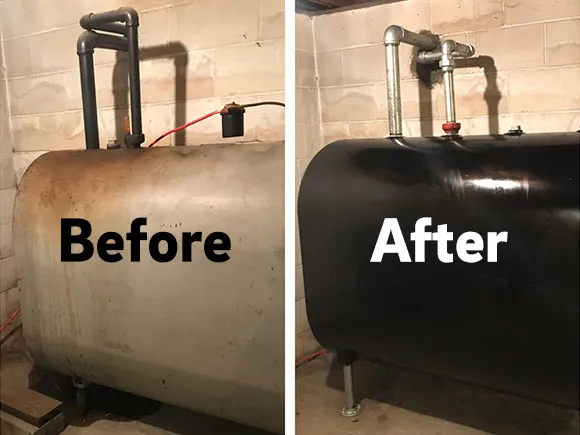
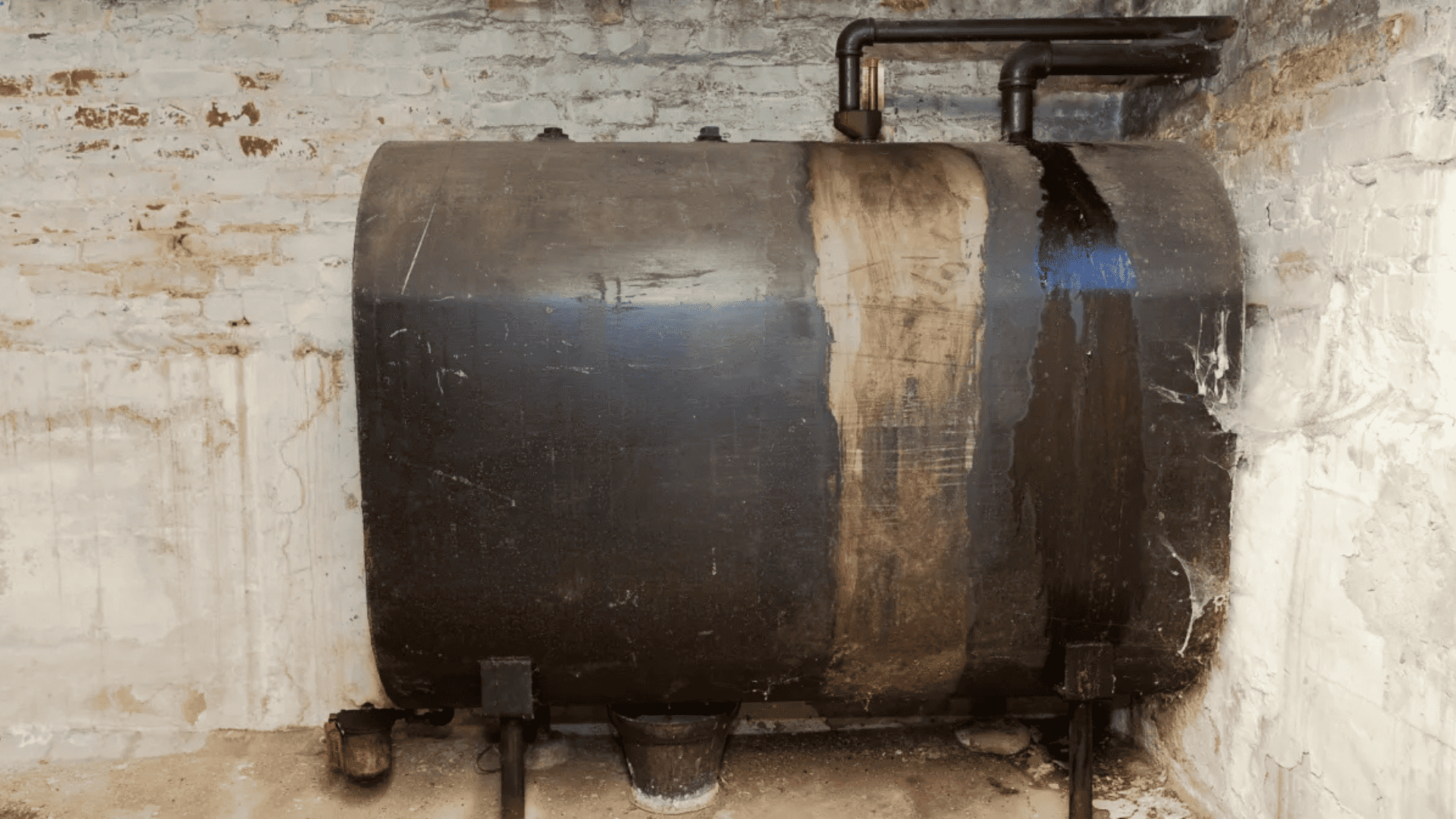
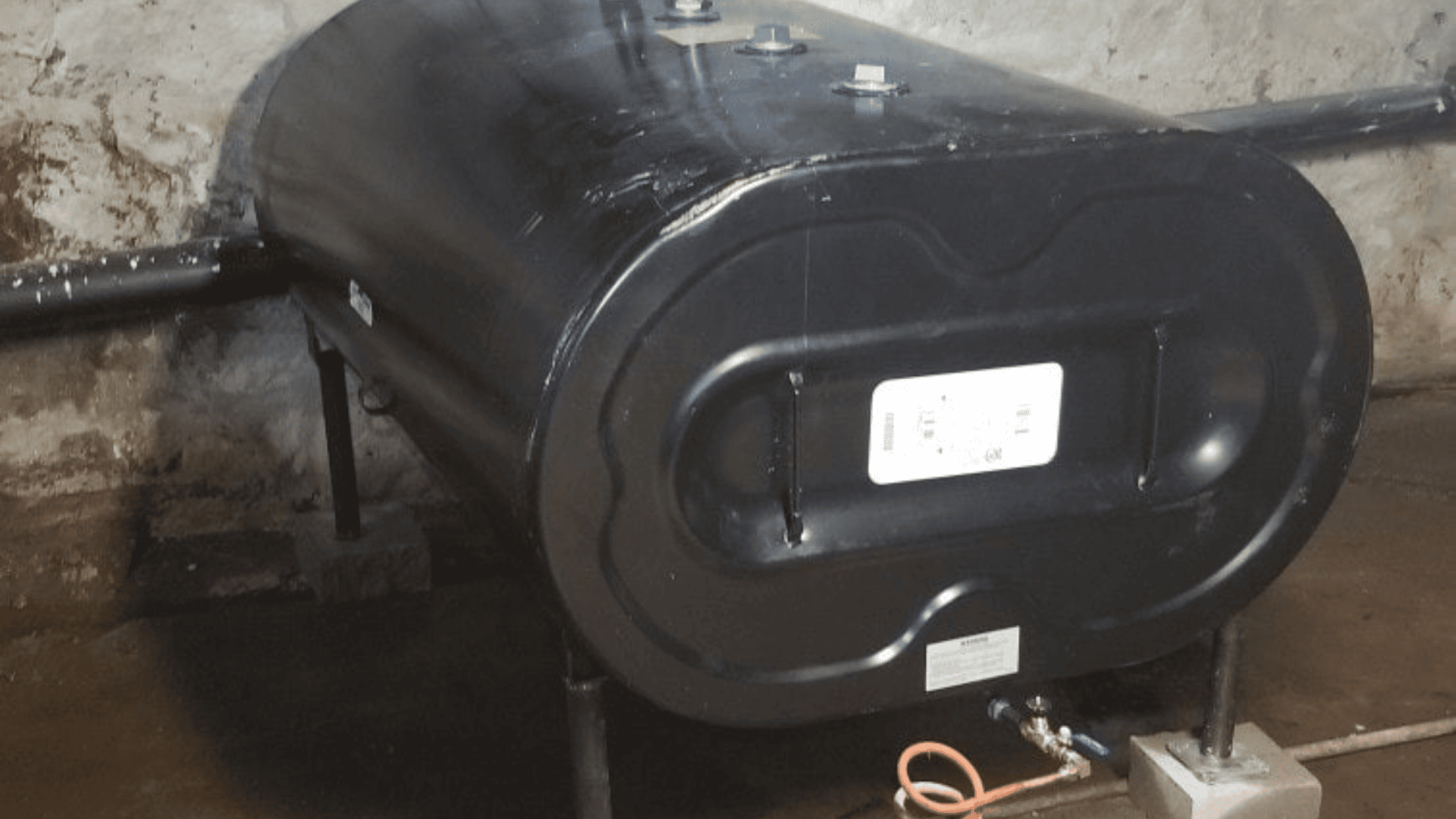
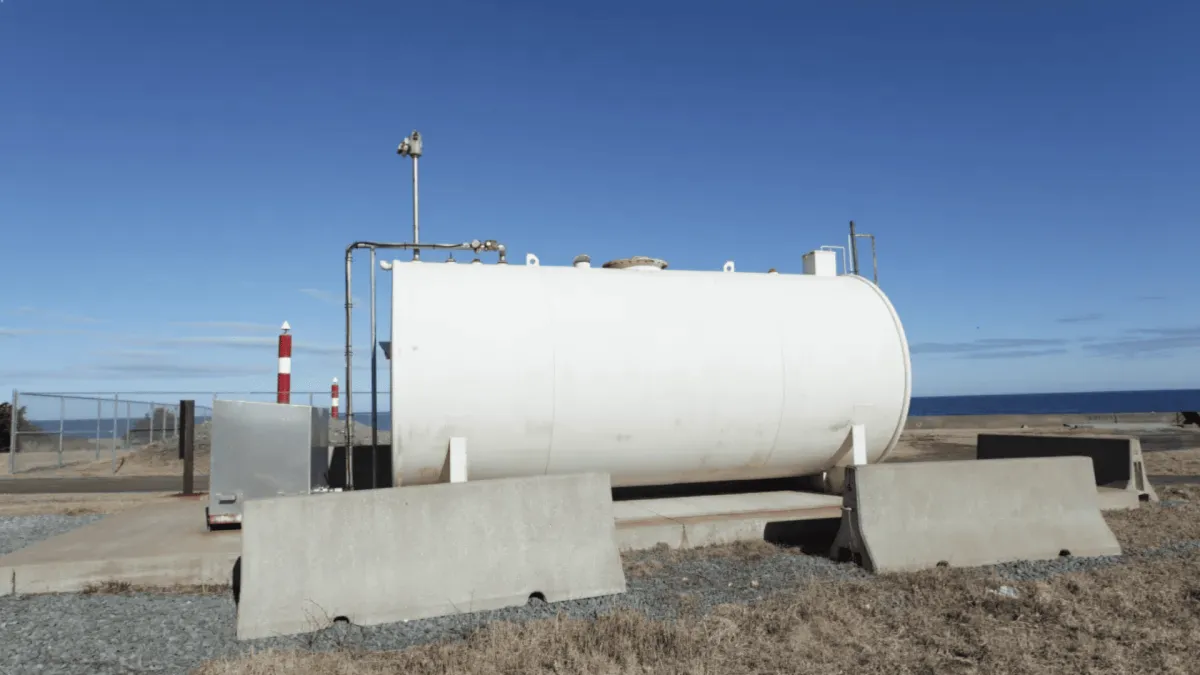
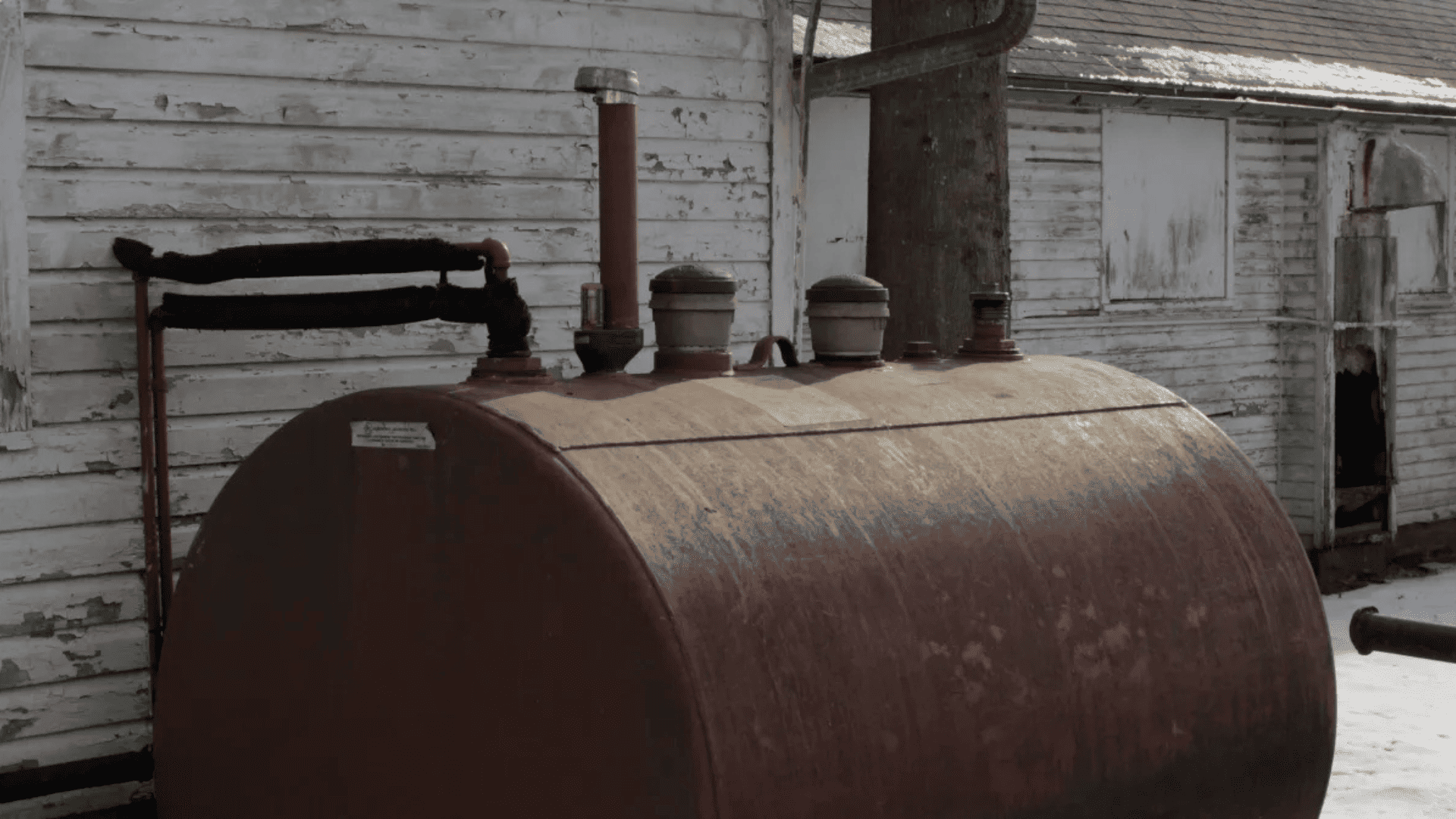
An aging or leaking oil tank does not fix itself — and waiting too long turns a straightforward replacement into an emergency. We install both standard steel and Roth double-wall tanks, handle the full removal of your old tank, and make sure everything is up to code before we leave. As a Roth certified family-owned business, we do the job right the first time.
DISCOVER WHAT OUR CUSTOMERS HAVE TO SAY ABOUT US
REVIEWS
Review us on Google
⭐⭐⭐⭐⭐
Who We Are
A Team Committed to Excellence
Started Right Here Locally
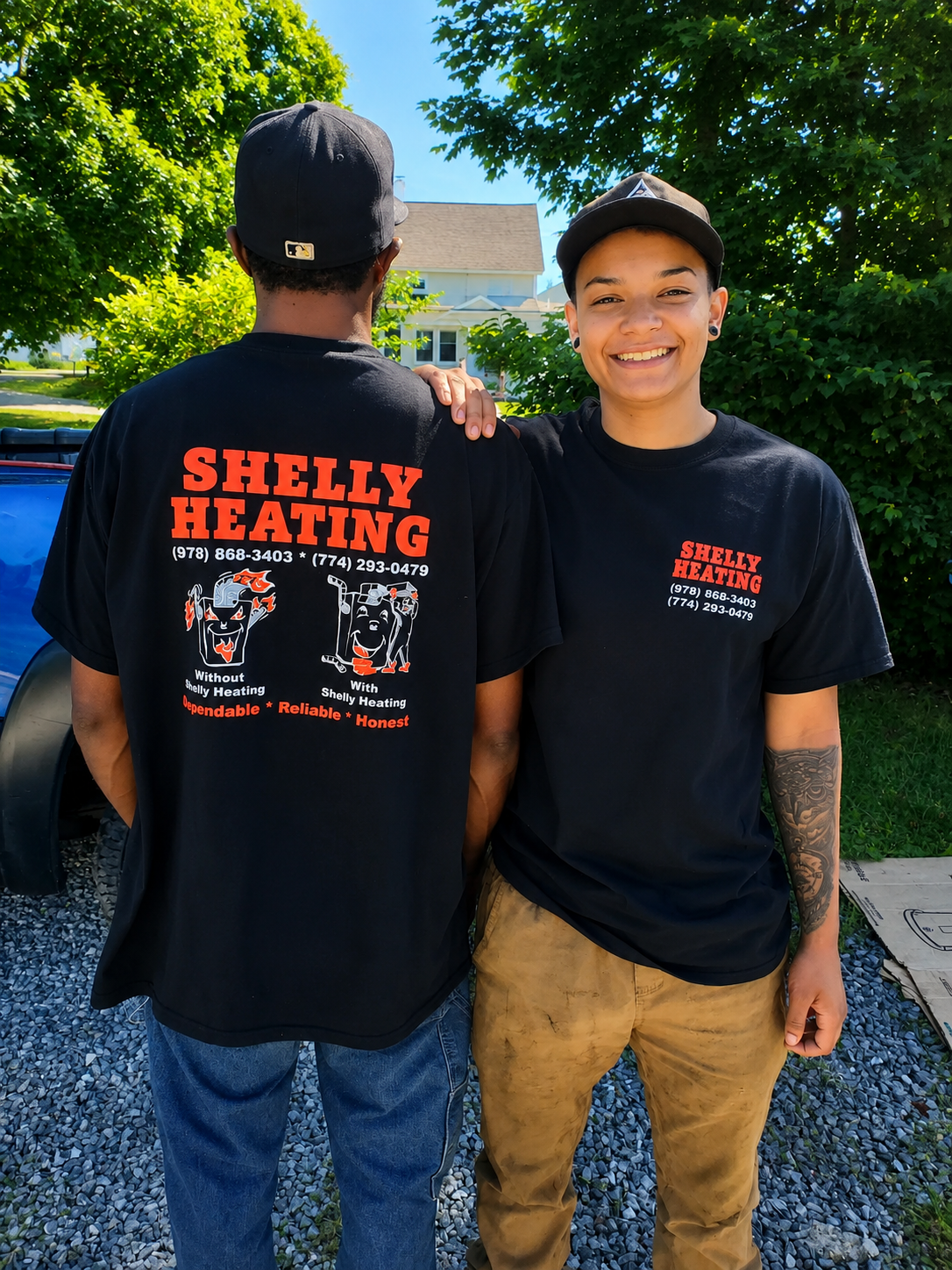
Shawn and Julia Shelly built this business in Winchendon because this is where they live and work. Serving neighbors in Worcester County, Franklin County, and beyond means something different when you are part of the same community. Every call gets handled like it matters — because to a local family business, it does. This is not a franchise operation or a large company sending out whoever is available.
Available When It Counts
Most HVAC problems do not happen during business hours. That is why Shelly Heating and Cooling operates 24 hours a day, every single day of the year. When something breaks down in the middle of the night or over a holiday weekend, you reach a real person who can help. Being available all the time is not just a selling point — it is the standard we hold ourselves to for every customer we serve.

Furnace dead in the middle of winter? AC quit on the hottest week of the year?
Shelly Heating and Cooling Is Ready to Help You Right Now — 24 Hours a Day, 7 Days a Week
PROUDLY SERVING THESE AND NEARBY AREAS
Our Track Record
Numbers That Speak for Themselves
24/7
Hours
Available
4
Counties
Served
12
Services
Offered
100%
Local &
Family Owned
Why Choose Shelly Heating and Cooling
Why Winchendon Homeowners Call Shelly First
Family-Owned Operation
Shawn and Julia Shelly run this business themselves. That means every job reflects directly on their reputation in the community. You are not dealing with a rotating cast of subcontractors or a call center in another state. When you call Shelly Heating and Cooling, you are reaching the people who actually stand behind the work.
True 24/7 Availability
There is no after-hours voicemail that gets checked in the morning. When you call at midnight with a heating emergency, someone answers. We built the business around being available when it matters most — not just during the hours that are convenient for us. Central Massachusetts winters do not work on a 9-to-5 schedule, and neither do we.
Straight, Honest Pricing
You get a clear answer on what the repair or installation will cost before any work starts. No vague estimates, no surprise charges after the job is done. Customers in Winchendon and the surrounding towns trust us because we say what we mean and do what we say. That kind of straightforward approach is rare, and we take it seriously.
Local Area Knowledge
We have worked on homes and systems throughout Worcester County, Franklin County, and southern New Hampshire. We know the types of homes in this region, the age of the equipment commonly found here, and the weather demands these systems face. That local experience means faster diagnosis and repairs that actually hold up long-term.

Frequently Asked Questions
Got Questions? We’ve Got Answers!
Does Shelly Heating and Cooling offer emergency HVAC service in Winchendon?
Yes — we are available 24 hours a day, 7 days a week, including weekends and holidays. If your furnace stops working or your AC fails, you can call (978) 868-3403 at any hour and reach us directly. We serve Winchendon and surrounding towns in Worcester County and Franklin County. Emergency calls are treated with the same care and quality as any scheduled appointment.
What areas do you serve besides Winchendon?
We serve a wide area across central Massachusetts and southern New Hampshire. This includes Gardner, Athol, Fitchburg, Leominster, Templeton, Ashburnham, Westminster, and many towns throughout Worcester County and Franklin County. We also serve communities in Middlesex County and southern NH towns like Jaffrey, Rindge, and Peterborough. If you are not sure whether we cover your area, just call and we will let you know right away.
How do I know if my furnace needs to be repaired or replaced?
A furnace that needs frequent repairs, produces uneven heat, or is over 15–20 years old is usually a strong candidate for replacement. If it is still relatively new and the repair cost is reasonable, fixing it almost always makes more sense. We give you an honest assessment — we are not going to push a replacement when a repair will do the job. You will get a clear breakdown of both options so you can make the right call for your home and budget.
Do you work on both gas and oil heating systems?
Yes — we service and install gas, oil, and propane heating systems, including furnaces and boilers. Older homes throughout central Massachusetts often have oil boilers or baseboard heating systems, and we have extensive experience working on them. We also handle conversions when homeowners are looking to switch fuel sources. Whatever type of heating system you have, we can work on it.
How often should I have my HVAC system serviced?
Most HVAC systems should be serviced at least once a year, with twice a year being ideal — once before heating season and once before cooling season. Regular tune-ups keep the system running efficiently, reduce energy costs, and catch small issues before they become expensive repairs. Skipping maintenance is one of the most common reasons systems fail prematurely in New England homes. A quick seasonal visit is far less costly than an emergency call in January.
Is Shelly Heating and Cooling a local company or a franchise?
Shelly Heating and Cooling is a locally owned and operated business based in Winchendon, MA — not a franchise or a large regional chain. Shawn and Julia Shelly own and run the business themselves. Being local means you are working with people who live and work in the same community you do. That makes a real difference in how jobs get handled and how much they care about the outcome.
Can you install a ductless mini-split in a home that does not have ductwork?
Absolutely — that is actually one of the main reasons homeowners in this area choose mini-splits. Older homes in Winchendon, Athol, and Gardner often lack central ductwork, and a ductless system is one of the cleanest solutions available. We install single-zone and multi-zone systems depending on what your home needs. The installation is typically completed in one day and gives you both heating and cooling in one system.
What should I do if my heat stops working overnight in the winter?
Call us directly at (978) 868-3403 — we answer 24 hours a day, including overnight and on weekends. Do not wait until morning if the temperature in your home is dropping, especially if you have children or elderly family members in the house. We will diagnose the problem and work to get your heat restored as quickly as possible. In the meantime, keep interior doors closed to retain warmth in the rooms you are using.
Heating & Cooling You Can Count On — 24/7
Contact Us
Social

Quick Links
Services
Locations
